
For decades, the business world has been obsessed with one primary metric: growth. Revenue growth, user growth, market share growth—the relentless pursuit of "more" has defined success. However, in a post-pandemic, economically volatile landscape marked by supply chain disruptions, talent shifts, and geopolitical uncertainty, a fundamental recalibration is underway. The smartest companies are now recognizing that stability is the new growth metric.
This isn't about abandoning growth. It's about redefining what healthy growth looks like. Sustainable, resilient, and predictable operations are becoming the foundation upon which lasting value is built. Let's explore why this shift is happening and how to measure what truly matters.
The High Cost of Hyper-Growth
The "growth at all costs" model has a dark side. We've seen tech unicorns flame out, once-hot startups crumble under operational strain, and established companies over-extend into bankruptcy. The pitfalls are clear:
- Burnout Culture: Relentless scaling often sacrifices employee well-being, leading to high turnover and institutional knowledge loss.
- Operational Debt: Rapid expansion typically means patching systems and processes, creating fragility that eventually demands a costly rebuild.
- Customer Experience Erosion: Scaling faster than your support and quality assurance can handle damages your brand reputation.
- Financial Vulnerability: Growth fueled by constant capital infusion leaves companies exposed when funding markets tighten.
The Insight: Growth that undermines your core stability isn't progress—it's borrowed time. True strength lies in your ability to withstand shocks while continuing to operate effectively.
Defining the New Stability Metrics
If stability is the goal, how do we measure it? Move beyond the P&L statement and start tracking these resilience indicators:
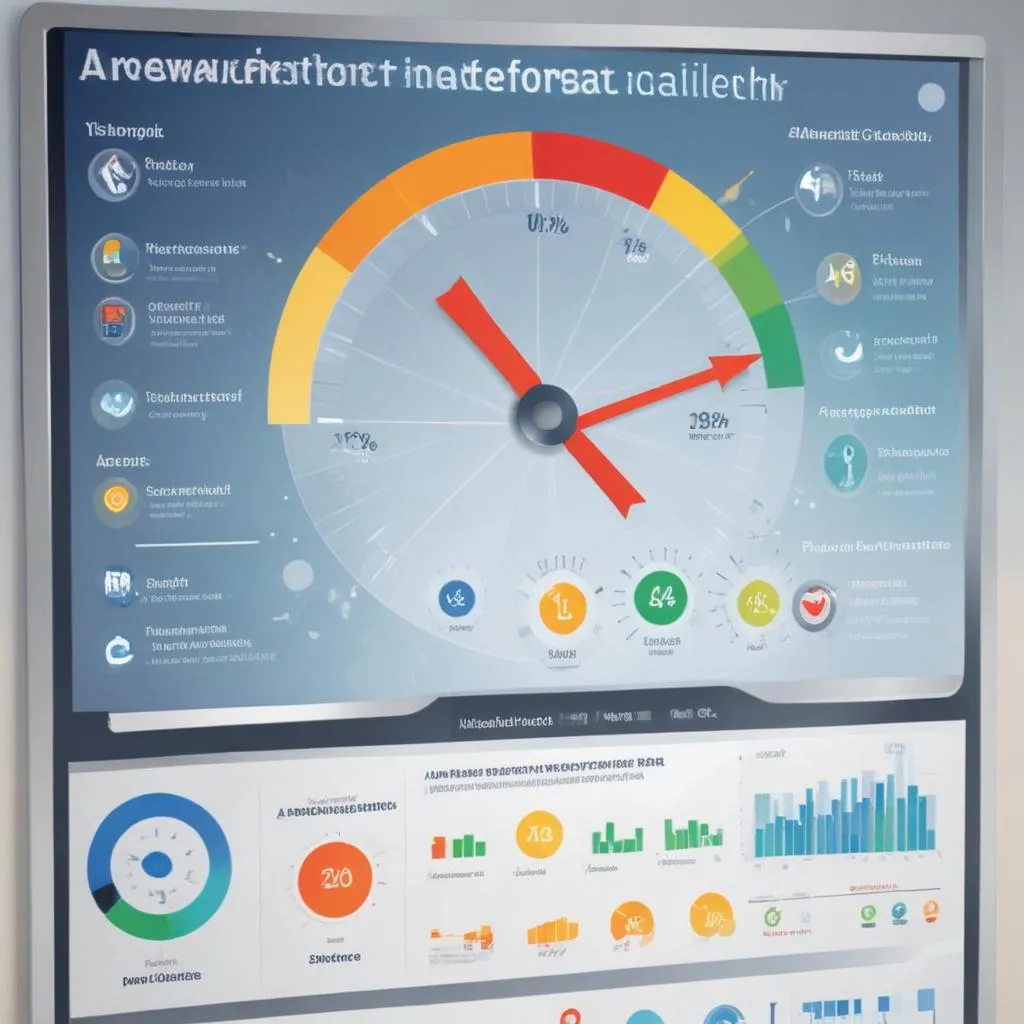
1. Operational Resilience Score
Measure system uptime, supply chain redundancy, and cross-training depth. How quickly can you recover from a major disruption?
2. Employee Retention & Engagement
Voluntary turnover rates, internal promotion rates, and engagement survey scores. A stable team is a competitive advantage.
3. Customer Lifetime Value (LTV) Stability
Not just LTV, but the predictability and consistency of that value over time. Are you building lasting relationships?
4. Cash Runway & Profitability Path
Months of runway without external funding, and a clear, achievable path to sustainable profitability.
5. Process Adherence & Quality
Consistency in output quality and service delivery, indicating mature, scalable processes.
The Strategic Advantages of a Stability-First Approach
Prioritizing stability isn't defensive—it's a powerful strategic stance that creates distinct advantages.
- Attracts Better Talent: Top performers increasingly seek sustainable workplaces over chaotic grind cultures.
- Builds Investor Confidence: In uncertain markets, investors prize predictability and efficient capital use over speculative hockey-stick charts.
- Enables Strategic Agility: A stable foundation gives you the clarity and resources to pivot or seize opportunities when they arise, rather than being perpetually in fire-fighting mode.
- Creates Customer Trust: Reliability becomes a powerful brand attribute, fostering loyalty and reducing churn.
How to Cultivate Organizational Stability
Shifting focus requires intentional action. Start by:
- Audit for Single Points of Failure: In your team, tech stack, and supply chain. Build redundancy.
- Invest in Documentation & Systems: Institutionalize knowledge. Make your business less dependent on any one person.
- Reward Stewardship, Not Just Heroics: Celebrate the teams that maintain excellence and prevent crises, not just those who solve them.
- Adopt a Longer Planning Horizon: Balance quarterly targets with 3–5 year resilience planning.
- Communicate the Shift Transparently: Align your entire organization around the new definition of success.

Conclusion: Building to Last
The most valuable companies of the next decade will be those that master the balance between ambition and endurance. They will grow not like fireworks—bright, fast, and short-lived—but like oak trees: steadily, resiliently, and with deep roots.
By making stability a core metric, you're not settling for less. You're building a business that can thrive through cycles, withstand shocks, and generate value for all stakeholders—employees, customers, and investors—for the long term. In an unstable world, that's the ultimate competitive edge.
The Bottom Line: Measure what matters. Start tracking your stability metrics with the same rigor you track your growth metrics. The future belongs to the resilient.