
Modern financial planning requires more than just a savings account.
For generations, the classic financial advice was simple: "Save your money." Stash cash in a bank account, build an emergency fund, and slowly watch your balance grow. But as we move deeper into the 2020s, a stark reality has emerged for millions: saving alone is a fast track to falling behind. In 2026, relying solely on traditional savings is not just suboptimal—it's a strategic financial risk.
The combination of persistent inflation, historically low interest rates on savings vehicles, and accelerating economic changes has broken the old model. Your money needs to work as hard as you do. This article explores the key reasons why and outlines the essential strategies you must adopt to build real, lasting wealth.
The 3 Forces Making Traditional Savings Obsolete
1. The Silent Thief: Inflation

Inflation is the sustained increase in the price of goods and services. When the inflation rate outpaces the interest you earn on your savings, your purchasing power decreases. Even at a "moderate" 3% annual inflation, money sitting in a typical savings account earning 0.5% loses about 2.5% of its real value every year. Over a decade, that's a dramatic erosion of wealth. Saving preserves nominal dollars, but it doesn't preserve what those dollars can actually buy.
2. The End of High-Interest Savings
The era of passbook savings accounts yielding 5% or more is long gone for most economies. Central bank policies and macroeconomic conditions have led to a prolonged environment of low yields on cash deposits. While high-yield savings accounts offer better rates, they still struggle to consistently beat inflation. Your money is safe, but it's stagnant.
3. Rising Costs of Major Life Goals
Consider the soaring costs of education, healthcare, housing, and retirement. The amount you need to save for these milestones is increasing at a rate far beyond historical norms. A linear savings plan cannot keep up with these exponential cost curves. You need growth, not just preservation.
The Bottom Line: If your money isn't growing at a rate that outpaces inflation and your future cost needs, you are effectively getting poorer, even as your account balance slowly climbs.
The 2026 Wealth-Building Toolkit: What to Do Instead
Abandoning savings isn't the answer—evolving your strategy is. Think of savings as the secure foundation, but not the entire house. Here’s how to build upon it.
1. Embrace Strategic Investing
This is the non-negotiable counterpart to saving. Investing channels your money into assets with growth potential like stocks, bonds, ETFs, or real estate. The key is time in the market and diversification.
- Start with Low-Cost Index Funds/ETFs: Provides instant diversification and historically strong long-term returns.
- Automate Contributions: Set up automatic transfers from checking to investment accounts. Make growth a habit.
- Understand Your Risk Tolerance: Your investment mix should align with your age, goals, and comfort level.
2. Pursue Asset Diversification
Don't put all your eggs in one basket. A robust portfolio in 2026 might include:
- Liquid savings (emergency fund, 3-6 months of expenses).
- Broad-market securities (stocks, bonds).
- Tangible assets (like real estate, if it fits your goals).
- Alternative investments (a small portion in things like precious metals or crypto, only if you understand the high risk).
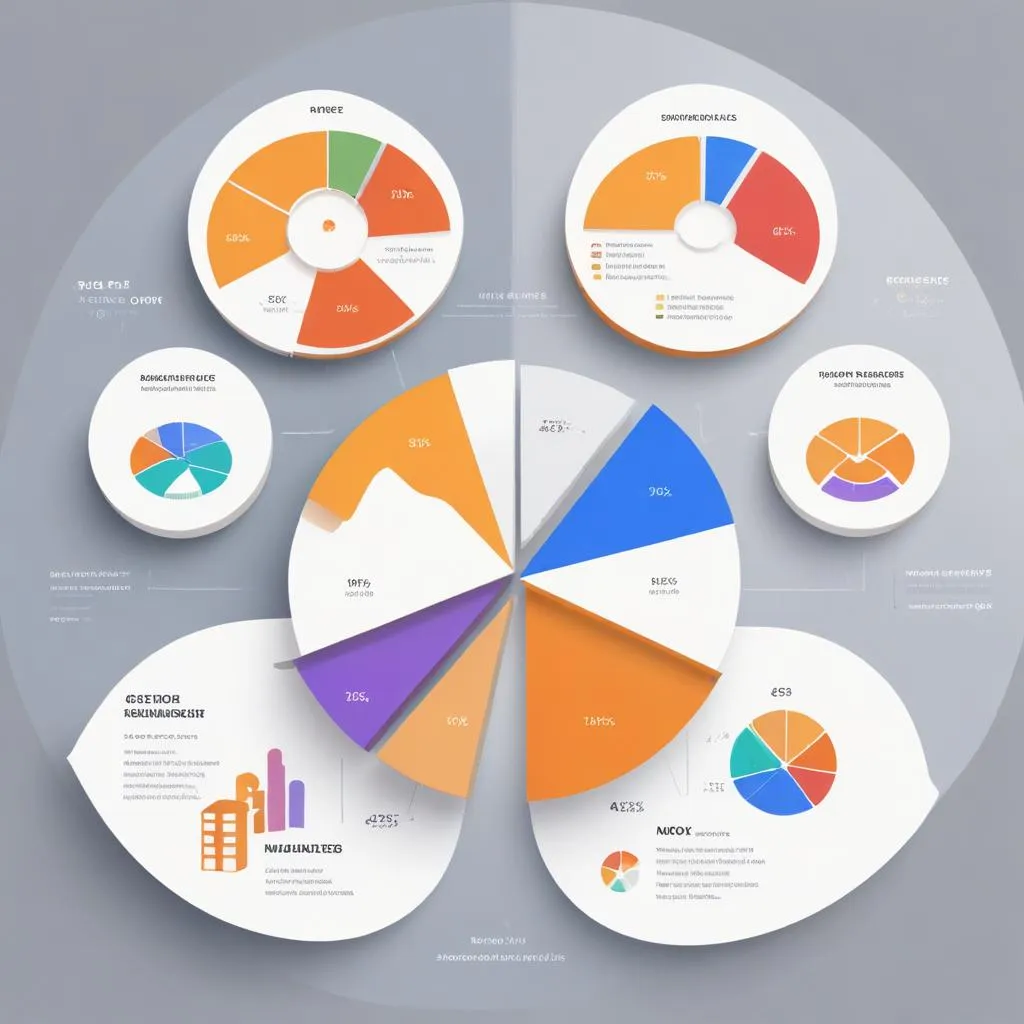
A diversified portfolio spreads risk and taps into multiple growth avenues.
3. Develop Income-Generating Skills & Side Hustles
Your greatest asset is your ability to earn. In a dynamic economy, investing in yourself—through new skills, certifications, or a scalable side business—creates additional income streams that can be saved and invested, accelerating your wealth-building cycle.
4. Leverage Tax-Advantaged Accounts
Maximize tools like 401(k)s, IRAs, Roth accounts, or their international equivalents. These accounts offer tax-deferred or tax-free growth, supercharging your investment returns compared to a taxable brokerage account.
Your Action Plan for 2026 and Beyond
Transitioning from a saver to a builder of wealth is a process. Start with these steps:
- Audit Your Finances: Know your exact savings rate, interest earned, and monthly expenses.
- Build a Robust Emergency Fund First: Park 3-6 months of expenses in a high-yield savings account. This is your safety net.
- Pay Down High-Interest Debt: This is a guaranteed "return" on your money.
- Begin Investing Systematically: Start small if you must, but start now. Use automated platforms if needed.
- Commit to Financial Education: Dedicate time monthly to learn about investing, economics, and personal finance. Knowledge is your best defense against market fear and poor decisions.
Remember: The goal isn't to stop saving. It's to create a powerful financial engine where savings provide security, and strategic investing provides growth. In 2026, this combined approach isn't just wise—it's essential for financial resilience and independence.