
The modern workspace in 2026 prioritizes fluidity over fixed location.
As we move deeper into the 2020s, a profound economic shift is crystallizing. The traditional currencies—money, specialized knowledge, proprietary data—are being rivaled, and in many contexts surpassed, by a more fundamental asset: flexibility. By 2026, the ability to adapt, pivot, and thrive amid constant change is not just a nice-to-have skill; it has become the primary medium of exchange for career advancement, business resilience, and personal fulfillment.
This isn't about remote work alone. It's a systemic evolution where rigid structures fail and agile mindsets flourish. Let's explore why flexibility is the cornerstone of success in 2026 and how you can invest in it.
The Economic Landscape That Demands Flexibility
Several converging forces have elevated flexibility to its premier status:
- Exponential Technological Change: AI integration, automation, and new platforms emerge not in years, but in months. Organizations and individuals must continuously learn and reconfigure their approaches.
- Global Volatility: From climate-related disruptions to shifting geopolitical landscapes, the ability to navigate uncertainty is a critical survival skill.
- The Evolving Social Contract: Top talent now prioritizes autonomy, purpose, and work-life integration over traditional stability. Companies that offer rigid roles lose out.
- Project-Based Economies: Work is increasingly organized around short-term projects and cross-functional teams, requiring people to fluidly switch contexts and collaborators.
How Flexibility Manifests as Currency
Flexibility functions as currency because it can be "spent" to acquire opportunities, security, and growth. Here’s how it translates into tangible value:
1. Career Capital
In 2026, your resume is less a list of past titles and more a portfolio of demonstrated adaptability. The professional who can lead a team, analyze data with new AI tools, and manage a remote vendor network is worth more than three specialized experts who cannot cross domains. This cognitive agility allows you to negotiate better roles, compensation, and terms.
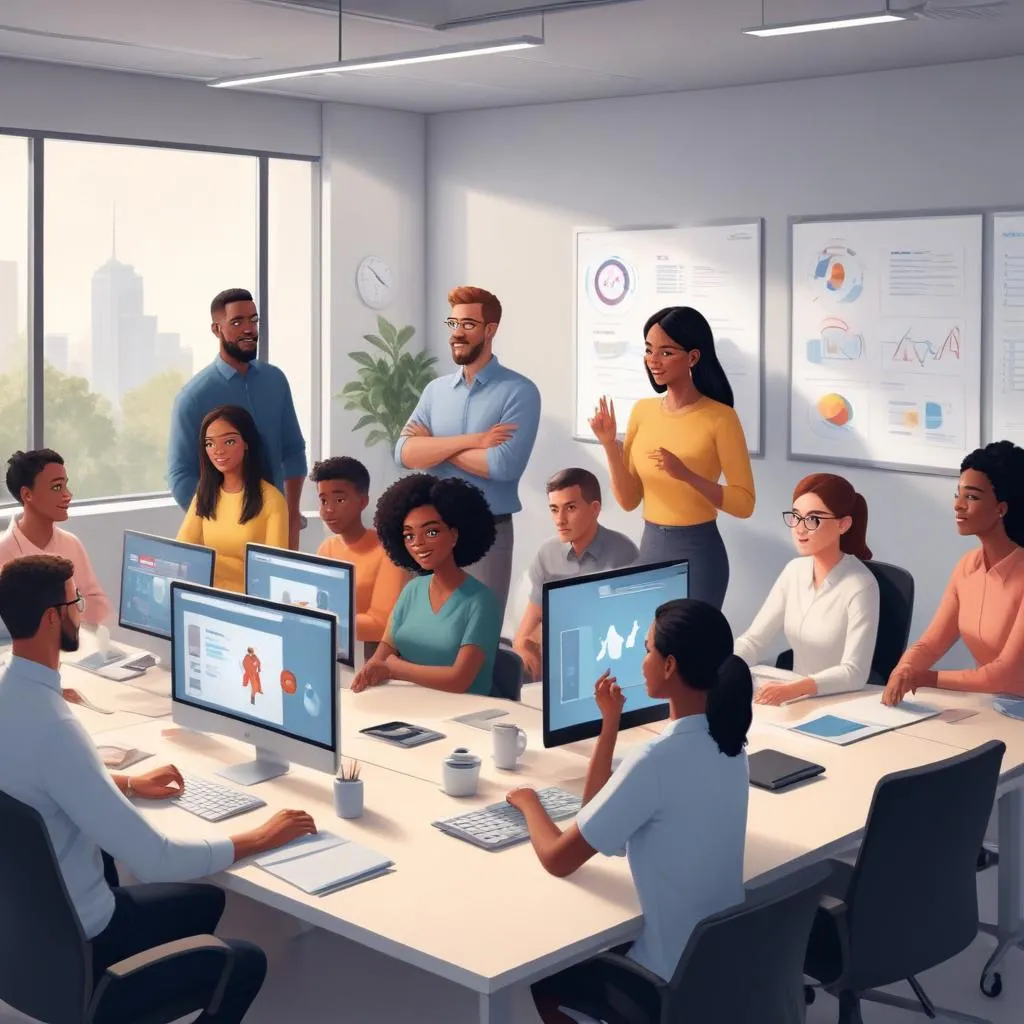
Collaboration in 2026 requires flexibility across tools, teams, and time zones.
2. Organizational Resilience
For businesses, flexibility is a balance sheet asset. A flexible operational model (hybrid work, scalable cloud infrastructure, agile methodologies) reduces fixed costs and increases the speed of innovation. It allows a company to seize new market opportunities or weather downturns far more effectively than a competitor locked into long-term leases, rigid processes, and fixed-skill employees.
3. Personal & Social Wealth
On a personal level, flexibility grants you time, the ultimate non-renewable resource. The ability to structure your day, learn on demand, and manage energy creates higher life satisfaction. Socially, communities and networks that are flexible—open to new ideas, diverse people, and unconventional solutions—become hubs of creativity and problem-solving.
Cultivating Your Flexibility Portfolio
Unlike money, flexibility is a currency you can mint yourself. Here’s how to build your reserves:
- Develop T-Shaped Skills: Cultivate deep expertise in one area (the vertical stem of the T) but pair it with broad, working knowledge across related fields (the horizontal top). This allows for effective collaboration and pivoting.
- Embrace Mental Models, Not Just Methods: Learn the underlying principles of systems thinking, design thinking, and lean methodology. These frameworks are portable across industries and challenges.
- Optimize for Optionality: When making career or business decisions, ask: "Does this choice open more doors or close them?" Choose paths that preserve future flexibility.
- Build an Adaptive Network: Curate a diverse professional network not just within your industry, but at its intersections with technology, policy, and creative fields.
- Practice Cognitive Flexibility: Regularly challenge your own assumptions. Seek out contradictory information and engage in exercises that force you to see problems from multiple perspectives.
Intentional planning for flexibility—managing time, energy, and focus—is a key skill.
The Future Is Fluid
By 2026, the dichotomy between "stable" and "flexible" careers will have largely dissolved. All stability will be underpinned by adaptability. The most sought-after employees will be those who can redefine their roles. The most successful companies will be those that can reinvent their processes. The most thriving individuals will be those who design lives that can bend without breaking.
Start investing in your flexibility today. Learn a new skill outside your comfort zone, propose a pilot project with a flexible structure, or simply rethink a rigid daily habit. In the economy of 2026, these aren't just personal development exercises—they're your most valuable deposits.