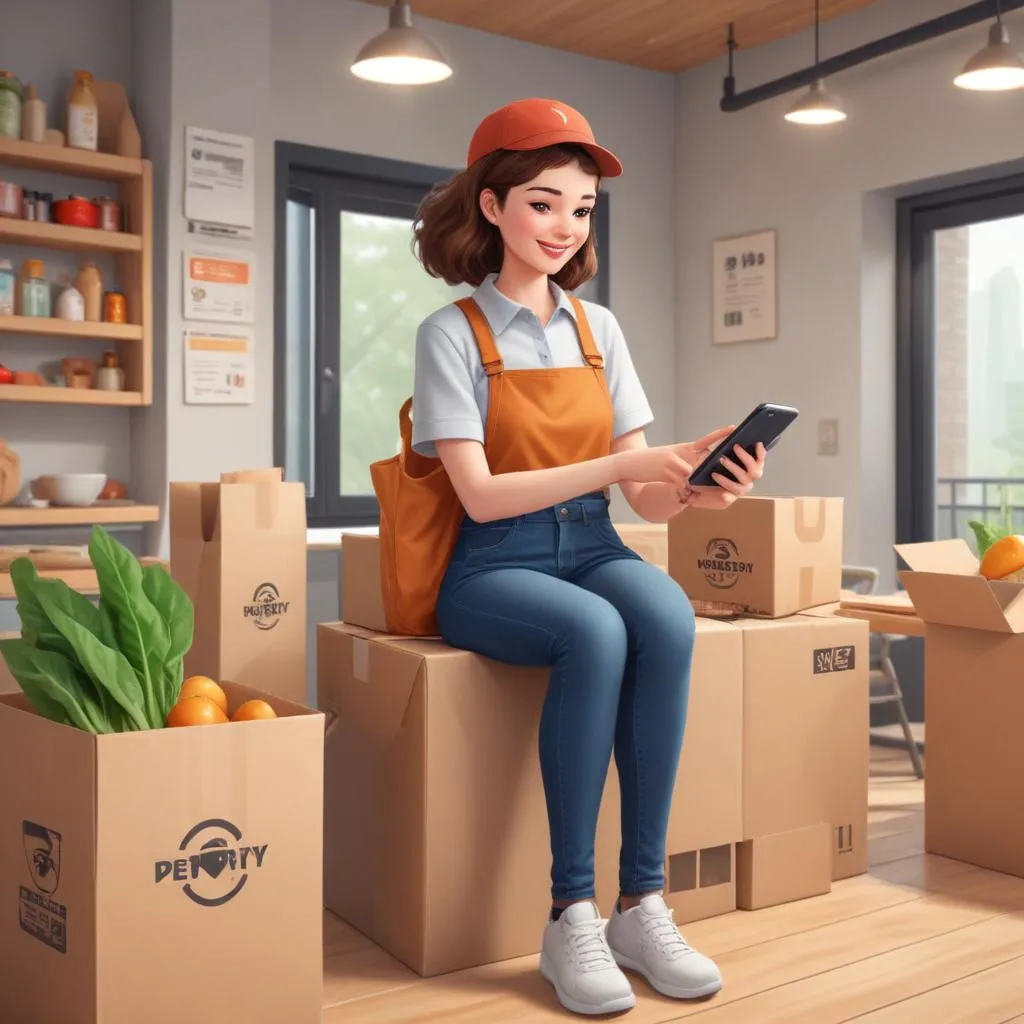
The modern convenience economy at our fingertips
In today's hyper-connected world, convenience is no longer a luxury—it's an expectation. With a few taps on a screen, we can have meals delivered, groceries shopped for, rides summoned, and entertainment streamed. This on-demand lifestyle promises to save us time and reduce effort, but at what cost? Increasingly, evidence suggests that our pursuit of convenience is becoming one of the most expensive habits we cultivate, draining our wallets, impacting our health, and reshaping society in profound ways.
The Financial Drain of Micro-Conveniences
What begins as an occasional time-saver often morphs into a recurring expense. The $4 latte delivered, the $15 lunch ordered in, the $2.99 convenience fee for digital ticketing—these micro-transactions add up silently. Unlike major purchases that give us pause, these small conveniences bypass our financial defenses, creating what behavioral economists call "the latte factor" on steroids.
- Subscription Creep: The average consumer now manages 12+ paid subscriptions, from streaming services to meal kits, many justified as "convenient."
- Delivery Markups: Food delivery apps typically increase menu prices by 15-30% plus add service fees and tips, making a $12 meal a $20+ expense.
- Convenience Premiums: From airport snacks to last-minute Amazon deliveries, we pay significantly more for immediacy.
The Psychological and Health Tax
Convenience costs more than money—it impacts our mental and physical well-being. The very systems designed to save us time often create new forms of stress and dependency.

The clutter and decision fatigue of constant convenience
Decision Fatigue and Reduced Resilience
Paradoxically, having every option available creates decision overload. When we outsource basic life tasks—cooking, shopping, navigating—we lose the small competencies that build resilience and satisfaction. The convenience of never having to plan a meal means we never develop cooking skills; the ease of ride-sharing means we might not learn our city's geography.
The Convenience-Health Trade-off
Processed convenience foods, while time-saving, often come with health costs. Sedentary lifestyles are reinforced when everything comes to our door. The time "saved" by these conveniences is often offset by the time and money spent addressing their health consequences.
The Societal and Environmental Price
Our individual conveniences aggregate into significant collective impacts. The gig economy that delivers our goods relies on precarious labor. The packaging from daily deliveries contributes to waste streams. The energy required to maintain instant access—from data centers to delivery vehicles—has environmental consequences rarely factored into the $2.99 delivery fee.
- Labor Exploitation: Many convenience services depend on underpaid gig workers without benefits or job security.
- Environmental Impact: Single-use packaging and increased vehicle miles for deliveries contribute significantly to pollution and waste.
- Community Erosion: As we interact less with local shops and neighbors, social fabric weakens.
Reclaiming Time, Money, and Agency
Breaking the convenience habit doesn't mean rejecting all modern services. It means developing intentionality about when convenience serves us and when it exploits us. Consider these balanced approaches:

Intentional activities like cooking can counterbalance convenience culture
Practical Strategies for Mindful Consumption
- Audit Your Convenience Spending: Track all "time-saving" purchases for one month to see the true cost.
- Implement the 10-Minute Rule: Before opting for convenience, ask if you could accomplish the task yourself in 10 minutes or less.
- Batch Convenience: Instead of daily deliveries, consolidate into weekly planned orders.
- Rediscover "Slow" Activities: Intentionally engage in some non-convenient activities (cooking, walking to shop) for their intrinsic benefits.
Conclusion: Convenience as a Tool, Not a Default
The most expensive habits are those we don't recognize as habits. Convenience has stealthily become our default setting rather than a conscious choice. By bringing awareness to when and why we choose convenience, we can reclaim not just our money, but our time, skills, and connection to the physical world. True wealth isn't measured by how much we can avoid doing, but by how meaningfully we engage with life—and that often requires embracing a little inconvenience.