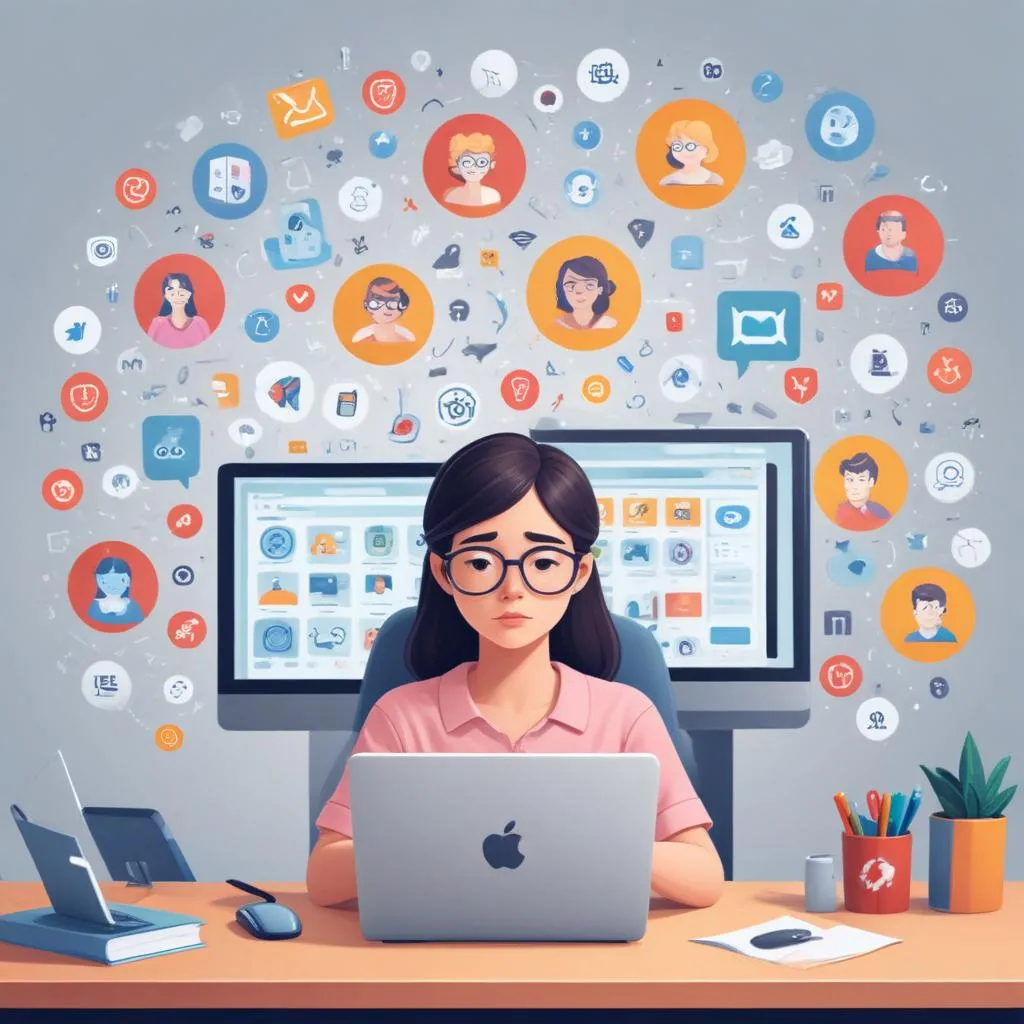
What started as a convenient alternative to ownership—streaming services, software suites, meal kits—has morphed into a financial and psychological burden for millions. The "subscription economy," once hailed as a win-win for businesses and consumers, is showing its cracks. As we move deeper into 2026, a profound shift is underway, driven by consumer fatigue, regulatory pressure, and technological innovation. This isn't the end of subscriptions, but the beginning of their next, more sustainable evolution.
Understanding the Trap: More Than Just "Bill Creep"
The trap isn't merely the cumulative cost, though that's significant (the average household now manages 12+ recurring subscriptions). It's the cognitive load of managing them, the difficulty in canceling, and the feeling of paying for unused services. Companies have perfected "dark patterns"—design tricks that make subscribing effortless and canceling a labyrinthine process.
The Hidden Cost: A 2025 study found that consumers waste an average of $348 annually on subscriptions they forget or don't use. The mental overhead of tracking these services adds an invisible tax to our daily lives.
This model has trained us to accept ongoing access over permanent ownership, often leaving us with nothing tangible to show for our spending. The promise of convenience has been overshadowed by a sense of entrapment.
The 2026 Evolution: Four Key Shifts Redefining the Model
The backlash has begun, and the market is responding. Here’s how the subscription economy is transforming this year.
1. The Rise of "Value-Transparent" & Frictionless Cancellation
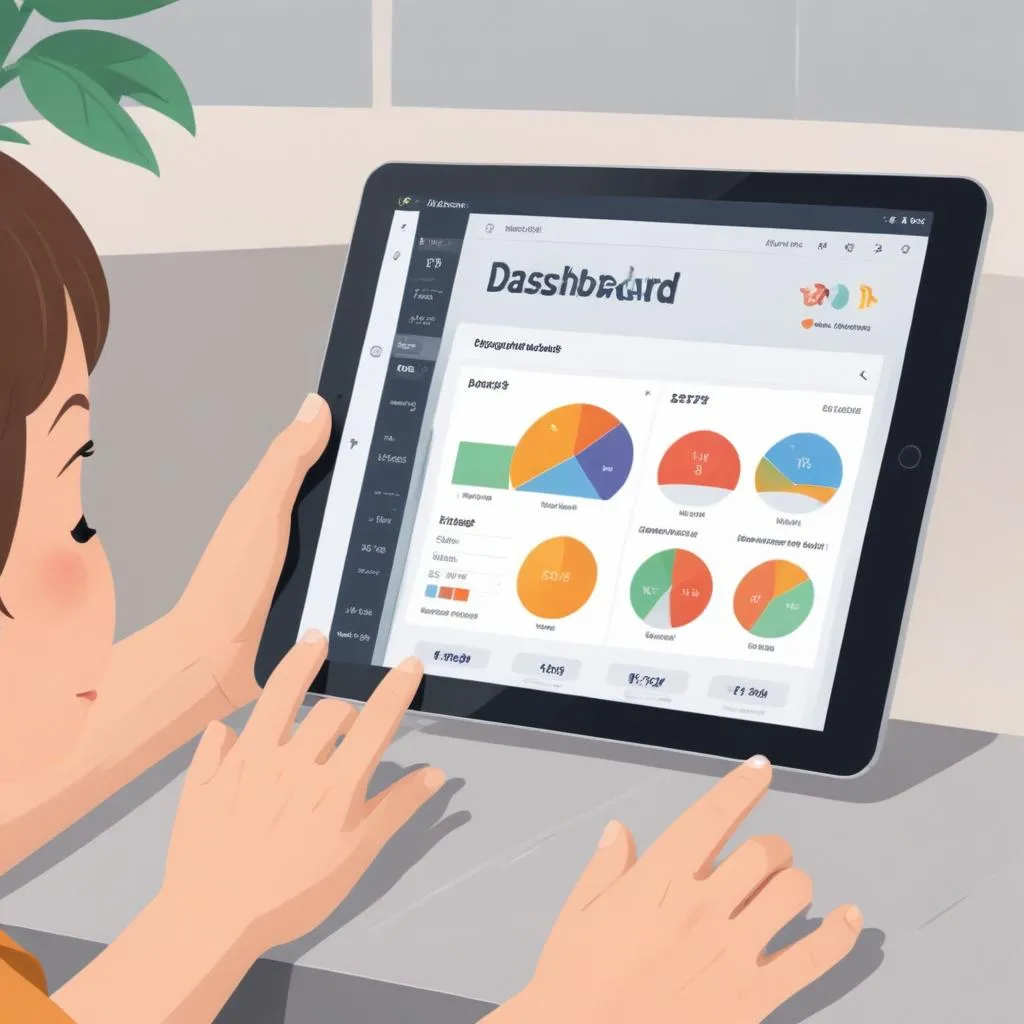
Regulations in key markets (like the EU's Digital Services Act 2.0 and new U.S. FTC rules) now mandate "cancel in one click" requirements. In 2026, leading companies are turning this compliance into a competitive advantage. They're adopting clear "value dashboards" that show users exactly what they've used each month, justifying the recurring charge and building trust instead of reliance on inertia.
2. AI-Powered, Truly Personalized Bundles
Generic bundles are out. In 2026, advanced AI analyzes your individual usage patterns across entertainment, software, and services to propose dynamic, personalized bundles. Imagine a service that negotiates on your behalf, combining your needed streaming, cloud storage, and delivery credits into one adjustable package that changes as your life does, often at a 15-20% lower aggregate cost.
3. The Hybrid "Subscribe-to-Own" Model Gains Traction
For physical goods and major software, the pure rental model is losing appeal. The 2026 trend is "subscribe-to-own," where a portion of each payment builds equity. After 24 months of payments for that premium design tool or high-end kitchen appliance? You own it outright. This model satisfies the business need for recurring revenue while restoring a sense of ownership and finality for the consumer.
4. Aggregator Platforms and Subscription "Auditors"
A new category of financial tools has emerged. These platforms connect to your accounts, identify all active subscriptions, benchmark their value against market rates, and even automate cancellation or downgrade requests. They act as a neutral guardian of your wallet, a direct response to the trap's complexity.
Navigating the New Landscape: A Guide for Consumers and Businesses

For Consumers: The power is shifting back. Use the new tools available. Audit your subscriptions quarterly. Prioritize services offering transparency and ownership pathways. Remember, your attention and data are part of the payment—choose services that respect them.
For Businesses: The era of profiting from forgetfulness is over. Sustainable growth in 2026 comes from:
- Demonstrating Clear, Ongoing Value: Prove your worth every month.
- Embracing Transparency: Make cancellation easy and usage data clear.
- Exploring Hybrid Models: Offer ownership pathways or personalized bundles.
- Competing on Experience, Not Captivity: Win because customers love you, not because they can't leave.
The Bottom Line: Towards a Conscious Subscription Economy
The subscription model isn't disappearing; it's maturing. The trap of the past decade was a phase of unchecked growth and exploitative design. In 2026, we're moving towards a conscious subscription economy—one where value exchange is clear, flexibility is paramount, and technology empowers the consumer rather than entrapping them.
The most successful companies will be those that recognize this shift early. They will build relationships based on trust and demonstrated value, creating loyal customers who subscribe by choice, not by default. The evolution is here, and it promises a fairer, more sustainable digital marketplace for everyone.