The era of easy gains from algorithmic trading, hyper-efficient markets, and purely digital asset speculation is evolving. By 2026, we've entered a Post-Optimization Economy, where traditional levers of financial efficiency are saturated. The new wealth playbook requires a fundamental shift in strategy.
 [Visual: Transition from Optimization to Resilience]
Understanding the Post-Optimization Landscape
For decades, wealth building was about finding an edge—a faster algorithm, a cheaper supplier, an undervalued stock. Today, AI and global connectivity have optimized these edges into near-oblivion. The new scarcity isn't information or speed; it's tangible value, human-centric skills, and systemic resilience. Your portfolio must reflect this reality.
The Five New Rules for 2026 and Beyond
Rule 1: Shift from Financial Capital to Experiential & Social Capital
Net worth is no longer just your portfolio balance. Invest in high-value experiences and networks that generate opportunities inaccessible to pure capital. This includes:
- Curated Network Building: Allocate funds to join exclusive masterminds, industry retreats, and skill-based communities.
- Expertise Acquisition: Invest in deep, hands-on learning (e.g., a sabbatical for a technical certification) that creates authority.
- Reputation Assets: Build and protect your personal brand as a tangible asset.
Rule 2: Prioritize Resilience Over Pure Efficiency
Hyper-optimized systems are fragile. Your wealth structure must be anti-fragile.
- Diversify Across Economic Paradigms: Balance digital assets (crypto) with tangible, offline assets (productive land, specialty equipment).
- Build Optionality: Hold liquidity not just for emergencies, but to seize discontinuous opportunities (market crashes, emerging tech).
- Focus on Cash Flow Durability: Choose investments that generate consistent yield under various economic climates (e.g., infrastructure, essential services).
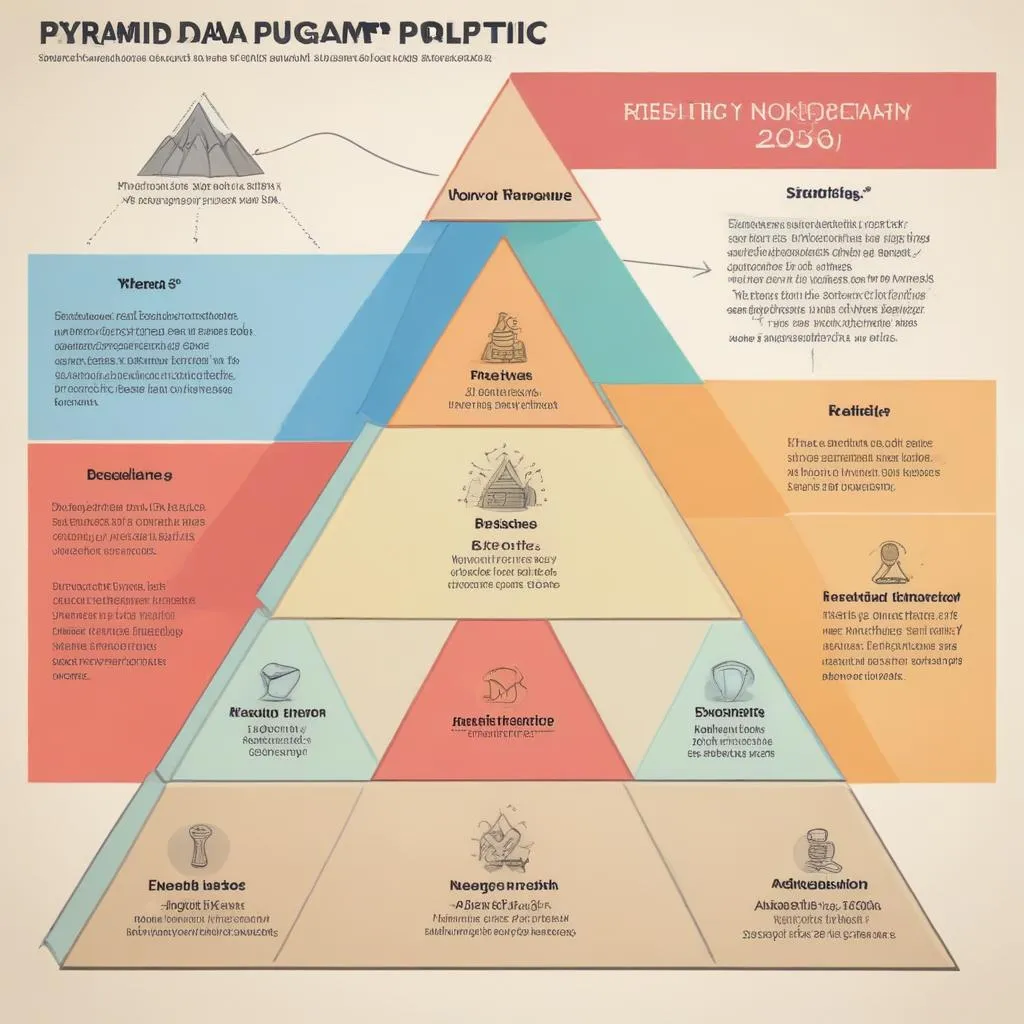 [Visual: Resilient Wealth Portfolio Structure]
Rule 3: Master the Human-AI Collaboration Premium
The highest premium is paid for work where human judgment directs AI capability. Structure your income and investments around this synergy.
- Invest in Companies that leverage AI as a tool for human creativity (e.g., design, strategic consulting, advanced R&D).
- Develop "AI Whisperer" Skills: Your ability to prompt, train, and interpret AI outputs is a capital asset.
- Avoid Purely Automated Income Streams: They are too easily competed away. The value is in the human-led loop.
Rule 4: Allocate to Permissionless Systems and Direct Ownership
Reduce exposure to intermediaries and traditional gatekeepers. The future favors direct ownership and control.
Actionable Steps: Explore decentralized finance (DeFi) protocols for yield generation, invest in direct ownership of intellectual property or royalties, and use blockchain for asset verification. Your goal is to own assets where your control is cryptographic, not contractual.
Rule 5: Embed Value in the Real-World Economy
The digital and physical are merging. The greatest wealth will be built at this intersection.
- Climate & Adaptation Tech: Invest in businesses solving physical-world problems (water, energy, agriculture tech).
- Productive Digital Twins: Back companies that create high-fidelity digital models of physical assets (factories, supply chains) to optimize real-world output.
- Consumer Experiences: Support ventures that blend AR/VR with physical presence (e.g., advanced travel, hybrid workspaces).
 [Visual: Traditional vs. Post-Optimization Strategy Comparison]
The Path Forward
The Post-Optimization Economy of 2026 is not a threat, but an invitation. It demands a move beyond spreadsheets and algorithms into the realms of human capital, tangible impact, and resilient design. The new wealthy won't just be those with the most optimized portfolios, but those with the most adaptable, meaningful, and directly controlled assets. Begin auditing your strategy today—not for marginal efficiency, but for fundamental alignment with this new reality. Your future wealth depends on it.