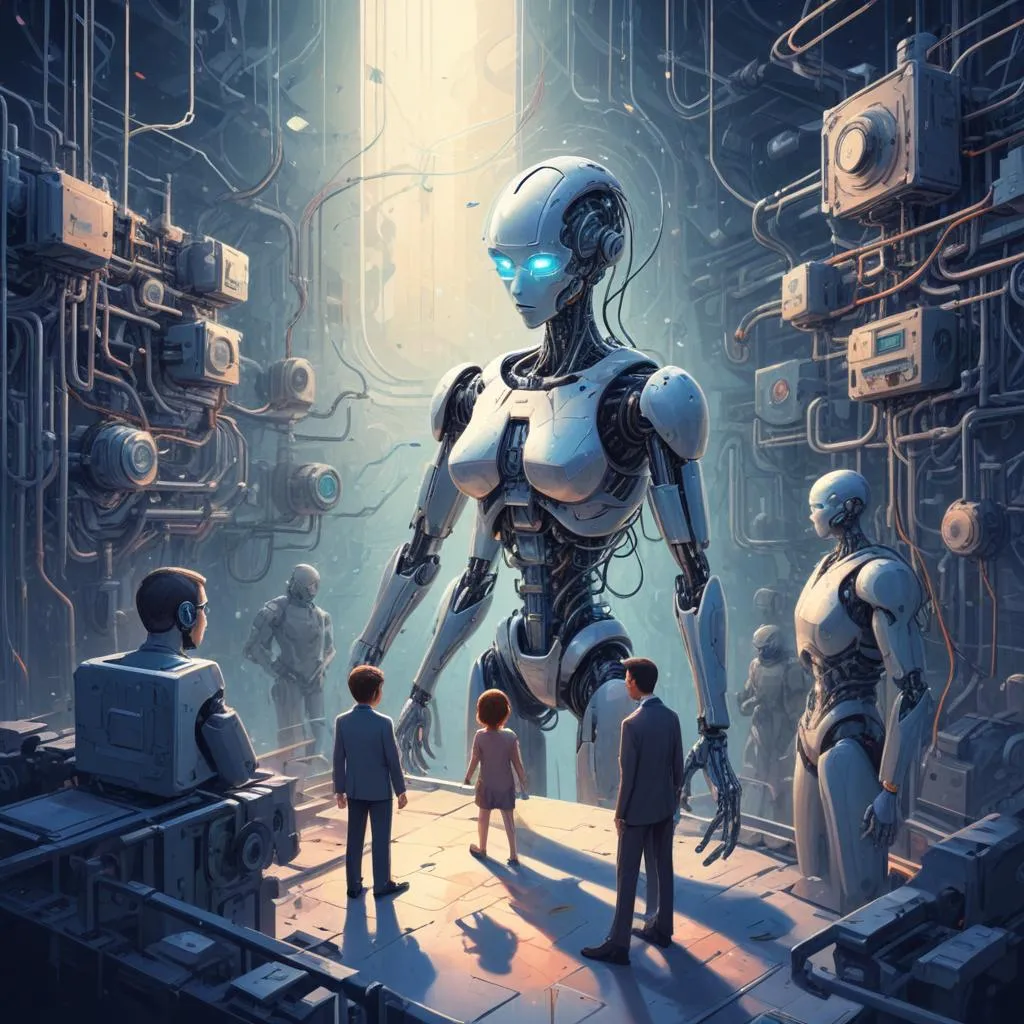
The balance between automated systems and human insight is more critical than ever.
From customer service chatbots and automated supply chains to AI-driven decision-making and robotic process automation (RPA), the tools promise lower costs, fewer errors, and 24/7 operation. Yet, this over-reliance creates a fragile ecosystem. When automation fails or encounters an unforeseen scenario—as it inevitably will—organizations may find they lack the human expertise to intervene effectively.
Core Insight: Automation is a powerful tool, not a complete replacement. The new risk isn't that automation will fail, but that we will have lost the capacity to succeed without it.
The Hidden Costs of Over-Automation
While the benefits are widely touted, the downsides of excessive automation are often overlooked until a crisis hits. These risks extend beyond mere technical glitches.
1. Skill Erosion and Human Deskilling
When systems handle complex tasks, the human knowledge required to perform those tasks atrophies. Pilots overly dependent on autopilot, analysts relying solely on AI reports, or engineers trusting fully automated diagnostics can lose critical problem-solving muscles. This creates a "competency debt" that becomes apparent during system failures or novel situations.
2. Strategic Blind Spots
Automated systems optimize for what they are programmed to measure—often efficiency and cost. They can miss nuanced shifts in market sentiment, emerging ethical concerns, or innovative opportunities that fall outside their algorithms. An over-automated company might become operationally efficient but strategically blind.

Human teams must maintain oversight to catch what automated systems miss.
3. Brittle Systems and Cascade Failures
Highly automated, interconnected systems can fail in unexpected ways. A small error in one automated process can propagate rapidly through linked systems, causing widespread disruption. Without human "circuit breakers" who understand the broader context, recovery can be slow and damaging.
Finding the Balance: The Human-Automation Partnership
The goal isn't to avoid automation, but to design a resilient partnership between human intelligence and machine efficiency. This requires intentional strategy.
- Design for Oversight, Not Just Output: Build systems that require regular human review and input. Create clear escalation paths for exceptions.
- Maintain "Human-in-the-Loop" Training: Regularly have staff perform tasks manually to preserve core competencies and system understanding.
- Audit for Ethical and Social Impact: Automated decisions in hiring, lending, or content moderation can perpetuate bias. Continuous human auditing is non-negotiable.
- Foster Hybrid Intelligence: Use automation to handle volume and data-crunching, freeing humans to focus on interpretation, strategy, empathy, and innovation.
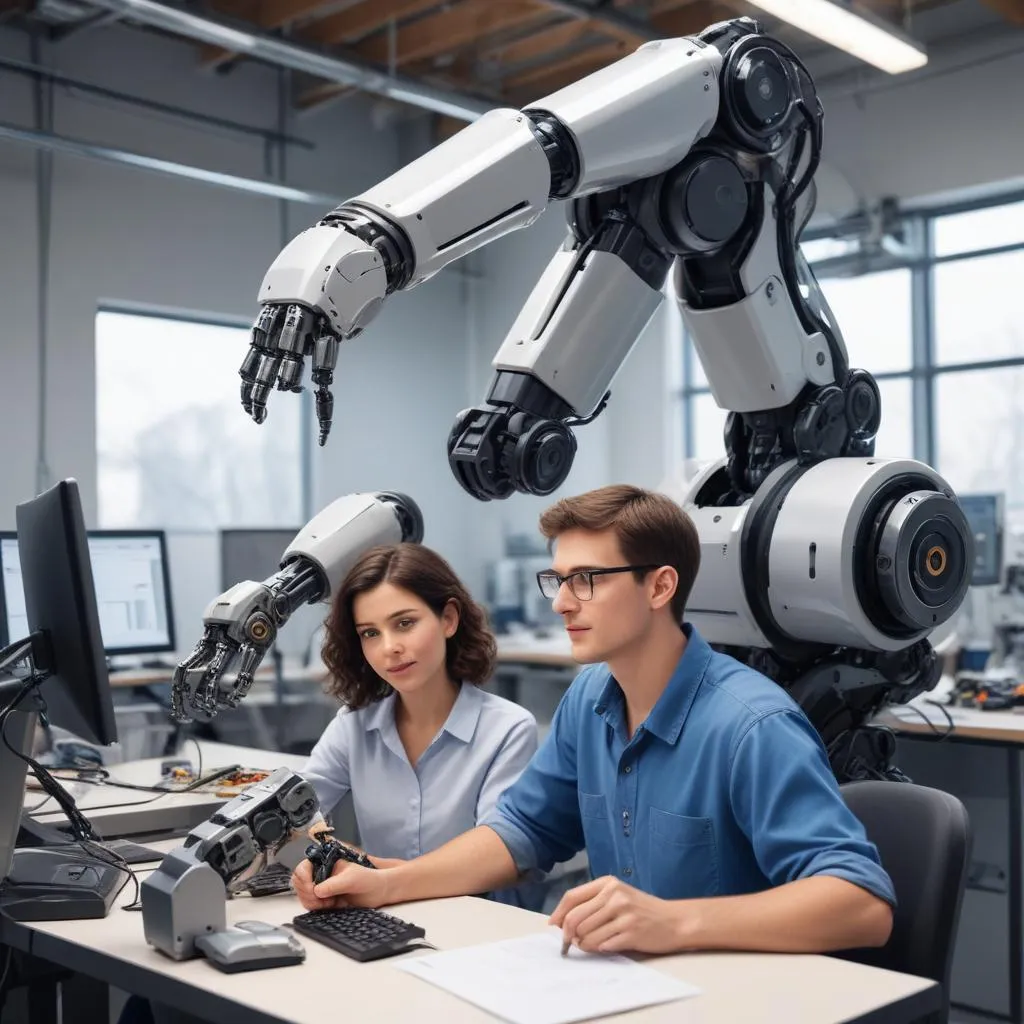
The future of work lies in collaboration, not replacement.
Moving Forward with Awareness
The most resilient organizations of the future will be those that view automation as a powerful augmentative force, not a wholesale substitute for human judgment. They will invest not only in smarter systems but also in sharper people, creating a symbiotic relationship where each covers the other's weaknesses.
Ask yourself: If our most critical automated system failed tomorrow, would we have the knowledge, processes, and people to adapt and continue? If the answer is uncertain, it's time to rebalance your automation strategy before a real crisis forces your hand.