
For decades, our mental model of money has been relatively static: accounts, balances, transactions, and physical or digital representations of value. As we approach 2026, a fundamental shift is occurring. Money is no longer just a thing you have but is becoming a fluid layer of intelligence embedded in every aspect of life. This article explores the emerging mental model that will define our relationship with finance in the near future.
From Ownership to Access and Utility
The traditional model equated financial health with ownership—owning assets, having a large bank balance. The 2026 model prioritizes access and utility. Why own a car, a suite of software, or even a large lump sum sitting idle, when you can access precisely what you need, when you need it, for optimal value? Money becomes the key that unlocks these flows of utility, managed in real-time by AI.
Core Shift: The question changes from "How much do I have?" to "What can my financial capability enable right now?"
The Three Pillars of the 2026 Money Mindset
1. Money as an Intelligent Agent

Your money is no longer passive. Through AI co-pilots and autonomous finance apps, it acts as an intelligent agent. It:
- Optimizes dynamically: Moves between accounts, currencies, and micro-investments to maximize yield and purchasing power automatically.
- Negotiates on your behalf: Secures better rates for subscriptions, utilities, or loans.
- Manages cash flow contextually: Understands that an upcoming trip means temporarily holding more liquidity, or that a work bonus is best allocated 70% to debt, 30% to a learning fund.
2. Embedded & Invisible Finance
Finance melts into the background. Payments, credit, and insurance are embedded seamlessly into the apps and platforms you already use for shopping, traveling, or working. The mental effort of "making a payment" dissipates. Your focus shifts to the outcome (the ride, the meal, the software) while the financial layer operates silently and securely.
3. Value-Based and Fractional Assets
The asset universe expands beyond stocks and bonds. The model includes:
- Fractional ownership of everything: From a piece of a solar farm to a share of a vintage watch or intellectual property rights.
- Personal brand and skill value: Your online reputation, certified skills, and creative output become asset classes that can be leveraged or monetized directly.
- Attention and data as currency: While controversial, the explicit valuation of one's attention and anonymized data in exchange for services or income becomes a recognized part of the financial equation.
Implications for Everyday Financial Health
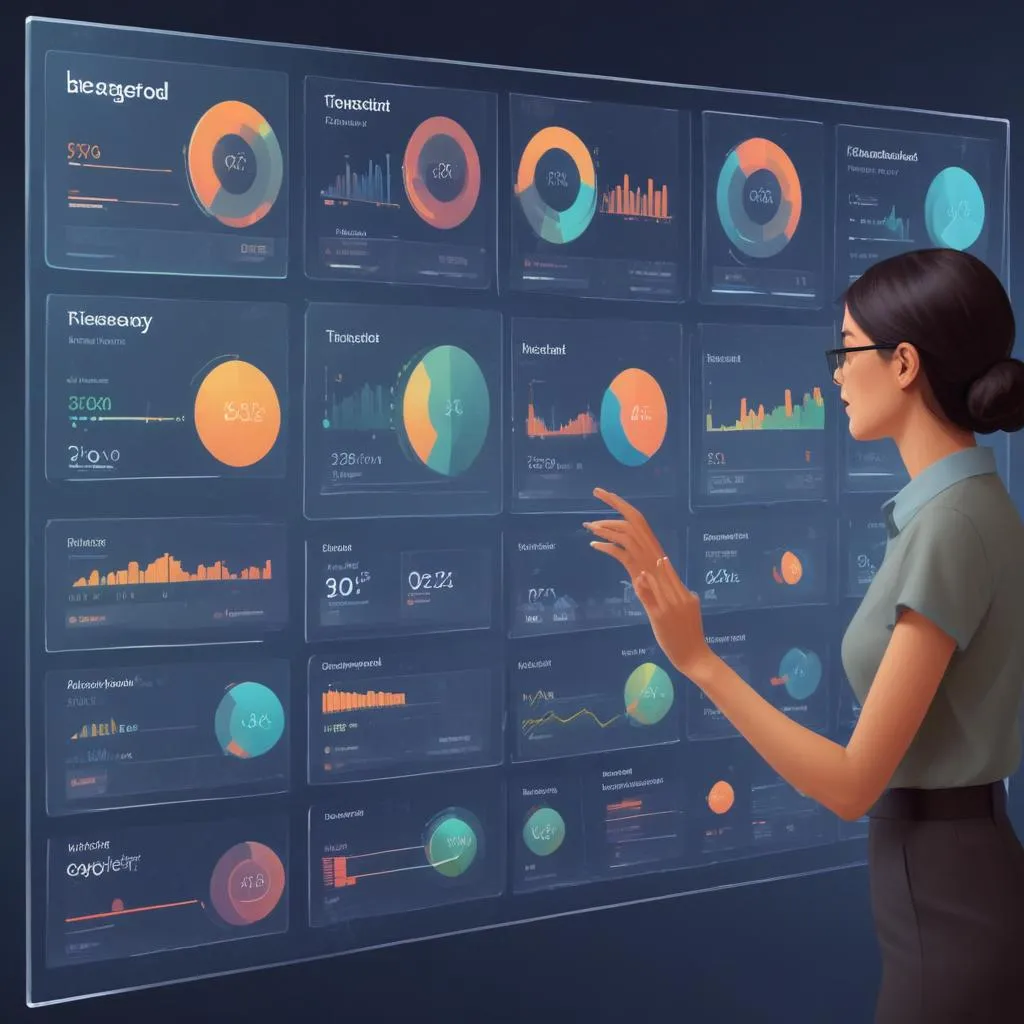
This new model changes how we think about financial well-being:
- Financial Literacy 2.0: It's less about balancing a checkbook and more about managing AI agents, understanding data privacy trade-offs, and evaluating new asset classes.
- Security is Paramount: With money as an intelligent, always-on agent, digital security and identity management become the bedrock of financial health.
- Fluidity Over Rigidity: Rigid monthly budgets give way to dynamic, goal-based fluid allocations managed in real-time.
- The Rise of "Financial Calm": The ideal state is not getting rich quick, but achieving a state of low-friction, automated financial efficiency that removes money-related stress from daily life.
Preparing for the Shift
To adapt to this new mental model by 2026, start now:
- Embrace Financial Tech: Experiment with AI-powered budgeting tools and automated investment platforms.
- Think in Terms of Flows: Map where your money comes from and where it goes, looking for chances to automate and optimize those flows.
- Diversify Your "Asset" Mindset: Consider how your skills, network, and online presence contribute to your overall financial resilience.
- Prioritize Digital Hygiene: Strengthen passwords, use 2FA, and understand the permissions you grant to financial apps.
Conclusion: Money as a Seamless Enabler
By 2026, the most advanced mental model for money won't picture coins, cards, or banknotes. It will envision a seamless, intelligent layer of enablement. Money becomes less of a separate concern and more of a quiet, powerful capability woven into the fabric of daily life—managed by AI, focused on utility, and expanding to include a broader definition of value. The goal is no longer just accumulation, but optimized, purposeful financial agency.