For generations, the blueprint for financial success was linear and predictable: get an education, land a stable job, receive incremental raises, save diligently, and retire comfortably after 40 years. This model provided a clear, if rigid, path forward. But in today's rapidly evolving economy—defined by technological disruption, gig work, and global volatility—that straight-line progression has shattered.
We are witnessing the end of linear financial progress. In its place, a new, more dynamic model is emerging—one that embraces flexibility, multiple income streams, and exponential opportunities. Understanding this shift isn't just academic; it's essential for anyone looking to build resilience and wealth in the 21st century.
Why the Linear Model Is Breaking Down
The traditional career-and-savings ladder was built for a different era—one of industrial stability, lifelong employment, and predictable inflation. Several forces have eroded its foundation:
- Technological Disruption: Automation and AI are reshaping entire industries, making some roles obsolete while creating new ones overnight.
- The Rise of the Gig and Creator Economies: Full-time employment is no longer the only—or often the most lucrative—path. Project-based work and direct-to-audience monetization allow for irregular but significant income spikes.
- Economic Volatility: Markets and job security are more susceptible to global events, making steady, predictable advancement a rarity.
- Changing Definitions of "Assets": Digital assets, online businesses, and personal brands can appreciate in value outside the traditional realms of real estate or stocks.
The core issue: Linear planning assumes consistent effort yields consistent results. In a non-linear world, effort and outcome are often decoupled. A single project, investment, or piece of content can generate disproportionate returns.
The Pillars of Non-Linear Financial Growth
So, what replaces the old ladder? Think of it as building a dynamic financial ecosystem, not climbing a single rung. This system rests on three interconnected pillars.
1. Portfolio Income Over Single-Salary Reliance
Instead of one job, cultivate a diverse portfolio of income streams. This could include a combination of a primary job, freelance work, investment dividends, digital product sales, or rental income. Diversity creates anti-fragility—if one stream dries up, others sustain you.
2. Optionality and Skill Stacking
In a linear path, you specialize deeply. In a non-linear world, value comes from unique combinations of skills (skill stacking)—like coding plus design plus marketing. This creates optionality, allowing you to pivot and seize unexpected opportunities that offer exponential, not incremental, returns.
3. Systems and Automation
Wealth is increasingly built by creating systems that work for you. This means automating investments (e.g., dollar-cost averaging), building scalable online businesses, or developing content that compounds in value over time. The goal is to generate progress that is not directly tied to trading hours for dollars.
Navigating the Non-Linear Path: A Practical Mindset
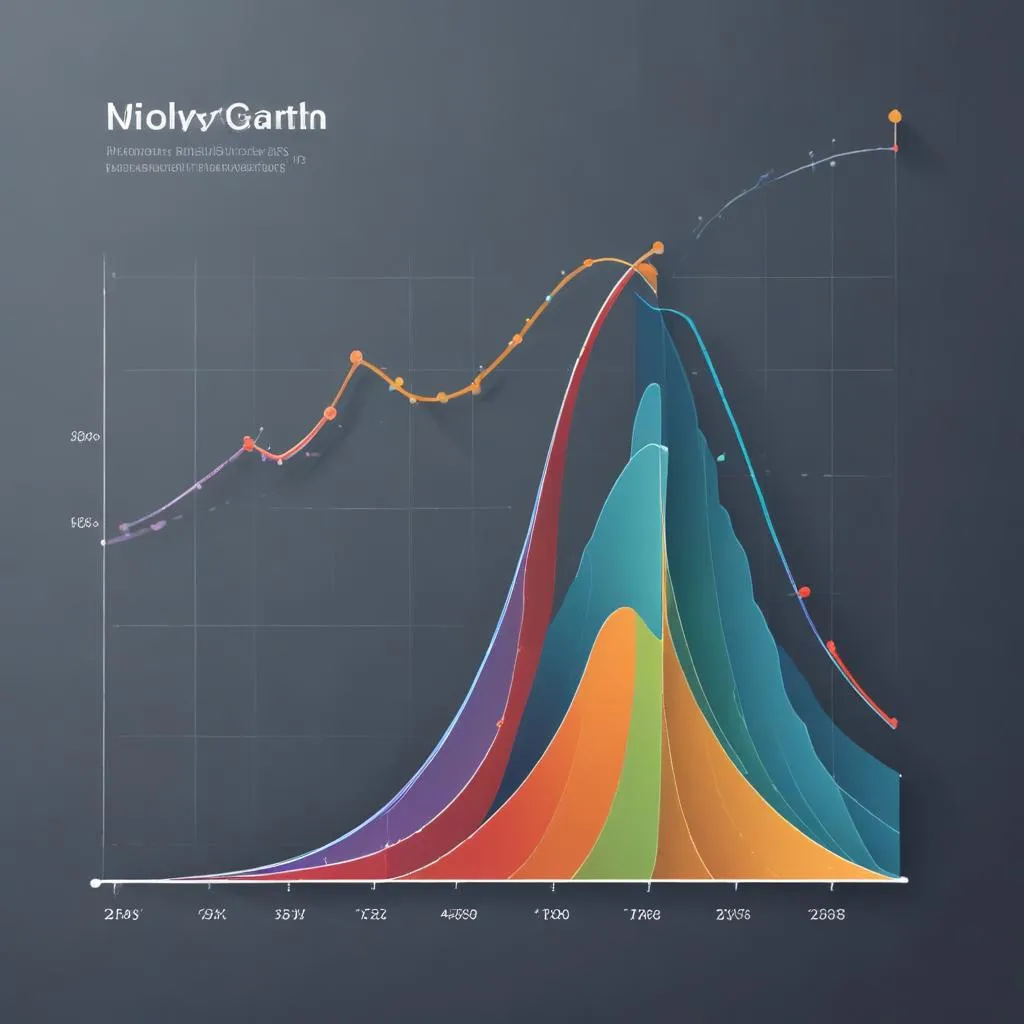
Adopting this new model requires a fundamental mindset shift. Progress won't look like a smooth upward line. It will look like a jagged graph with periods of plateaus, rapid spikes, and occasional dips.
- Embrace Asymmetric Risk/Reward: Seek opportunities where the potential upside vastly outweighs the downside cost (e.g., creating an online course, starting a micro-SaaS).
- Invest in Learning and Networks: Your ability to learn and your network are your greatest leverage points in a volatile economy.
- Measure Lead Indicators, Not Just Lag Indicators: Don't just watch your bank balance (a lag indicator). Track lead indicators like skills learned, audience built, or network connections made—these drive future non-linear jumps.

The Future Is a Curve, Not a Line
The end of linear financial progress is not a crisis—it's an liberation. It frees us from the false promise of predictable, slow growth and opens the door to building wealth in ways that are more aligned with how the modern world actually works: through networks, creativity, leverage, and systems.
Your task is no longer to simply climb. It's to explore, connect, build, and iterate. By designing a financial life that embraces non-linearity, you build not just greater wealth, but greater resilience and autonomy for whatever the future holds.