
You check your phone 150 times a day. Each notification, each scroll, each "quick break" is a transaction. Not of money, but of attention—the most valuable currency of the 21st century. In 2026, the attention economy has matured far beyond simple ads. It's now a complex ecosystem designed to capture your focus and convert it directly into expenditure, often without you even realizing it. This isn't just about wasted time; it's a systematic drain on your financial health.
The Frictionless Spending Trap
The primary weapon in the attention economy's arsenal is the removal of friction. Every moment of captured attention is an opportunity to shorten the path between "see" and "buy."
- One-Click & Biometric Payments: With facial recognition and fingerprint payments baked into every app and browser, the conscious act of pulling out a wallet is gone. An impulse is now a purchase in under two seconds.
- Contextual Commerce in Content: That video you're watching doesn't just show a cool product; the product is clickable and purchasable within the video player itself. The narrative *is* the storefront.
- AI-Powered "Predictive Carts": Algorithms analyze your lingering gaze, paused video, or repeated searches to pre-fill a shopping cart for you. Your attention signals intent, and the app simply asks for confirmation.
Emotional Bidding & Micro-Stress Spending
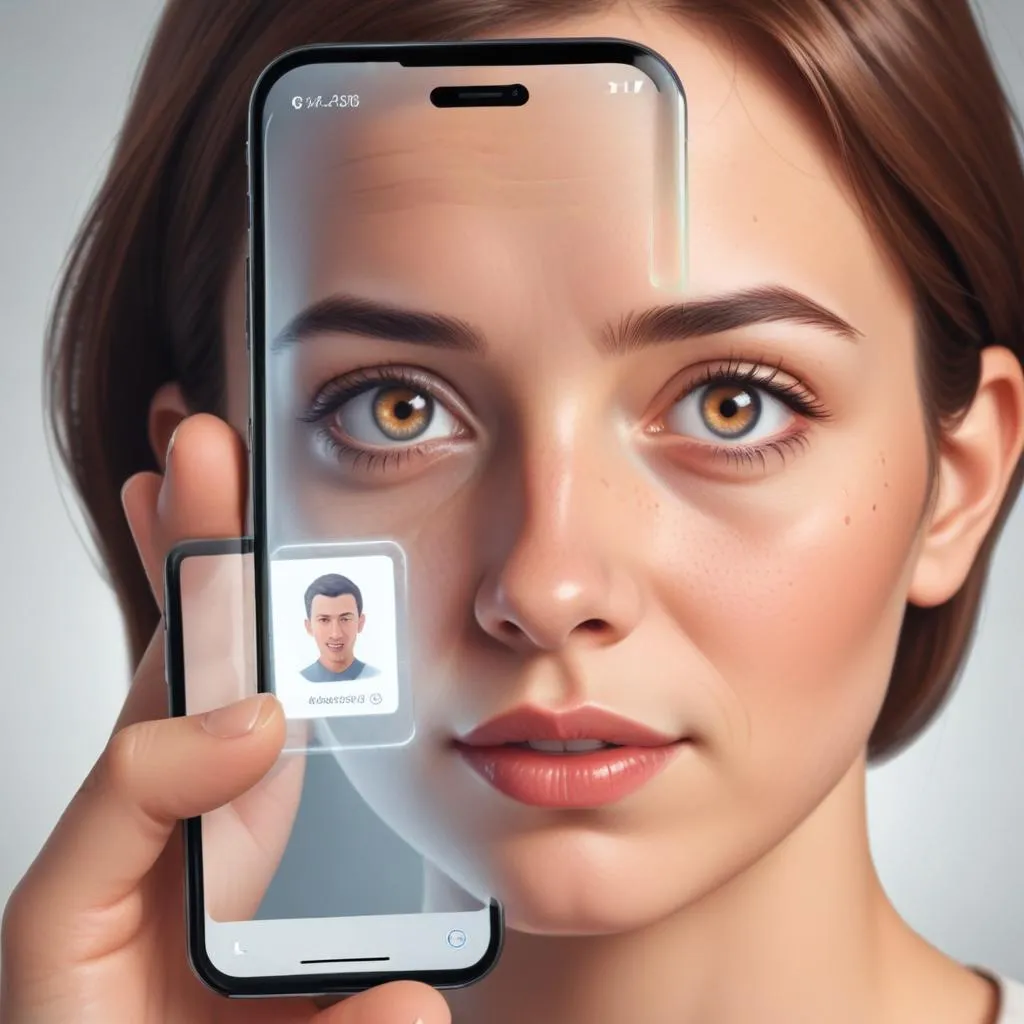
Platforms don't just track what you look at; they track how you *feel*. Advanced sentiment analysis via camera feeds, typing speed, and engagement patterns allows platforms to bid for your attention at your most vulnerable moments.
How It Works:
- You experience a moment of boredom, anxiety, or FOMO while scrolling.
- The platform's AI detects this micro-emotional state in real-time.
- It instantly auctions your attention to the highest-bidding advertiser whose product is designed to "solve" that feeling (retail therapy, distraction, social validation).
- You're served a hyper-personalized ad that feels like a solution, not a sales pitch.
The result? You spend to regulate your emotions, not to fulfill a genuine need.
The Subscription Sprawl
Attention is fleeting, so businesses lock it in with recurring revenue models. The "free trial" in exchange for your attention and payment details has become a labyrinth.
- Attention-Gated Content: "Watch this short ad to unlock the article." "Complete this survey to continue." Your focus is the direct price of entry, normalizing the transaction of time for access.
- Forget-Me-Not Billing: Free trials that auto-renew into paid subscriptions are designed to exploit your distractedness. The initial sign-up required a moment of attention; remembering to cancel requires sustained mental effort most don't have.
Fighting Back: Reclaiming Your Focus & Finances in 2026

Protecting yourself requires conscious system-building.
1. Implement Digital Friction:
Re-introduce steps between impulse and purchase. Remove biometric payments, log out of shopping apps, and don't save payment details. The extra 30 seconds to fetch your card is often enough for rationality to kick in.
2. Audit Your "Attention Subscriptions":
Use a subscription management app. For every digital service, ask: "Is this capturing my attention to sell to me? Am I the product?" Cancel anything that blurs the line between content and commerce.
3. Practice "Monetized Awareness":
When you feel the urge to scroll, consciously ask: "What is this moment of attention worth to the platform, and what is it costing me in potential spending?" This reframing turns you from a consumer into an auditor of your own attention.
4. Schedule Spending & Scrolling:
Batch your online shopping and social media time into designated, limited windows. This contains the exposure to triggers and allows you to engage intentionally, not reactively.
The Bottom Line
In 2026, every minute of captured attention is a potential gateway to an unplanned financial leak. The systems are designed to be seamless and exploitative. By understanding the mechanisms—frictionless spending, emotional bidding, and subscription sprawl—you can build defenses. The goal isn't to abandon technology, but to interact with it on your terms, ensuring your attention enriches your life, not drains your wallet.