For decades, the cornerstone of personal and corporate finance was predictability. We built 5-year plans, relied on historical market returns, and trusted in the steady climb of traditional assets. Financial stability meant a predictable, upward trajectory. As we look toward 2026, that paradigm is not just shifting—it's shattering.
 [Visual: A winding, unpredictable road through a financial landscape with digital elements]
The End of the Predictable Linear Path
The forces of change—hyper-digitalization, AI-driven market dynamics, geopolitical fragmentation, and climate-driven economic shocks—have created a financial environment defined by volatility and non-linear events. The "black swan" is becoming the flock. In this context, aiming for predictability is a strategy for fragility. Stability in 2026 won't come from knowing exactly what will happen, but from building systems that can withstand and adapt to anything that does.
The New Pillars of 2026 Financial Stability
True stability is being redefined around three core attributes: resilience, agility, and optionality.
1. Resilience: The Shock-Absorber Portfolio
This goes beyond simple diversification. It's about constructing assets and cash flows that are non-correlated not just to each other, but to systemic shocks. Think decentralized digital assets, investments in physical infrastructure and commodities, and income streams from platforms resistant to economic cycles (e.g., cybersecurity, essential digital services). Liquidity buffers are no longer a minor consideration; they are a primary defensive line.
2. Agility: Real-Time Financial Intelligence
Static annual budgets are dead. Financial agility means leveraging AI and real-time data dashboards to monitor cash flow, spot emerging risks, and pivot allocations at speed. It involves automated savings and investment rules that respond to market conditions, and a mindset of continuous financial re-optimization. Your financial plan must be a living document, updated in weeks, not years.
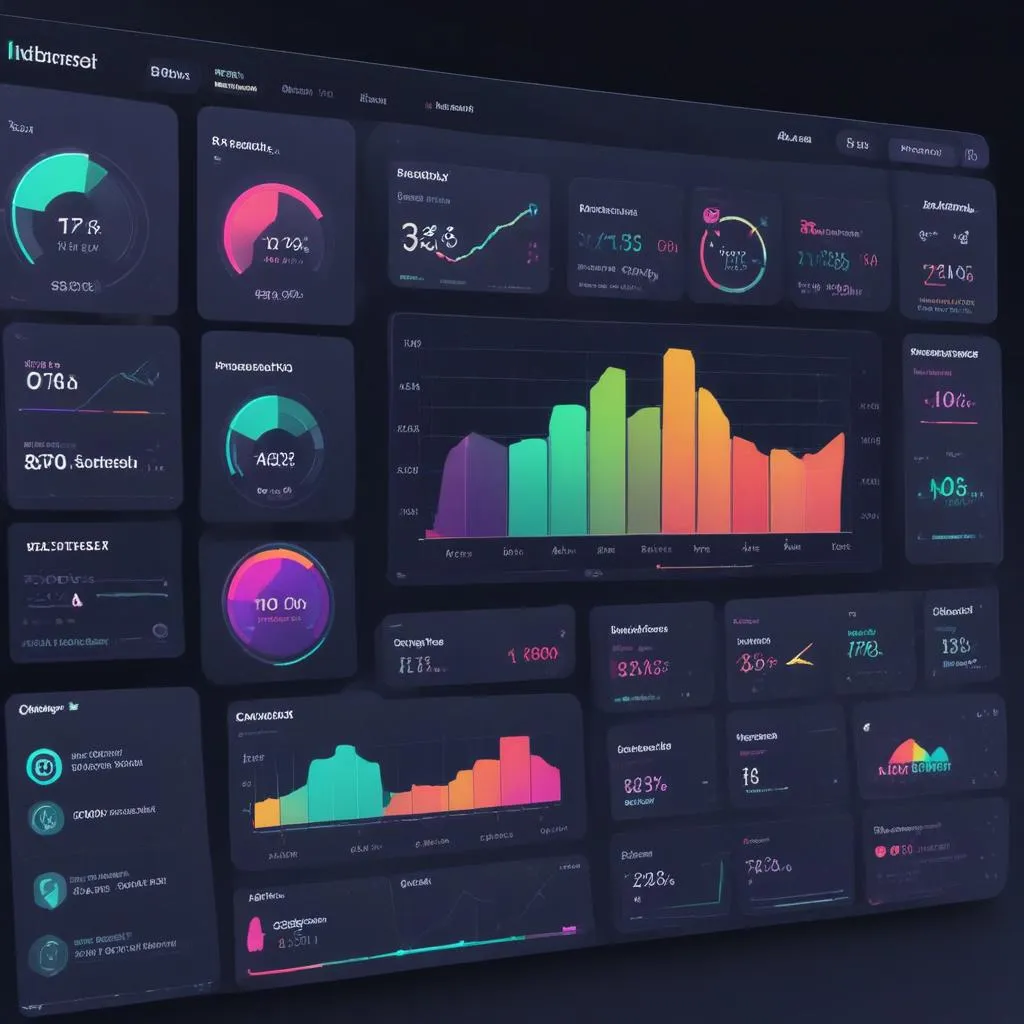 [Visual: A dynamic financial dashboard with real-time data streams]
3. Optionality: The Currency of Future Opportunity
The most valuable asset in 2026 is not a specific stock or currency—it's optionality. This means holding resources in flexible forms that can be deployed into new ventures, skills, or assets as opportunities arise. It includes maintaining a robust professional network, investing in continuous, adaptable skill acquisition, and holding a portion of capital in highly liquid, versatile forms to seize asymmetric opportunities during market dislocations.
Implications for Individuals and Institutions
For Individuals: The "set-and-forget" retirement fund is risky. Your financial stack must include automated monitoring, a broader range of asset classes (including digital and tokenized assets), and a dedicated "opportunity fund." Your career capital is part of your financial stability equation—invest in adaptable, future-proof skills.
For Businesses: Cash flow management supersedes quarterly profit projections. Treasuries will need to function like internal hedge funds, dynamically managing digital and traditional assets. Balance sheets must prioritize strength and flexibility over leveraged growth.
The financial landscape of 2026 rewards those who prepare for uncertainty, not those who cling to outdated forecasts. Stability is no longer a destination you arrive at through a straight path; it is a dynamic state you maintain by navigating constant change with resilience, intelligence, and prepared creativity.