
Financial peace often comes from clarity and control, not just a bigger income.
Financial stress is a heavy burden that affects millions, impacting sleep, relationships, and overall well-being. The common assumption is that the only way out is to earn more money. While increasing income can help, it's not the only—or even the fastest—path to financial peace. True relief often comes from changing how you manage, perceive, and interact with the money you already have.
This guide will walk you through actionable, mindset-based, and practical steps you can take right now to reduce money anxiety, regain control, and build a more secure financial foundation—all without waiting for a raise or a new job.
1. Master Your Money Mindset
Stress is often rooted in fear and uncertainty. Shifting your mindset from scarcity to clarity is the first step toward reducing financial anxiety.
Practice Financial Awareness
Ignorance fuels anxiety. For one week, track every single expense, no matter how small. Use a notebook, app, or simple spreadsheet. The goal isn't judgment—it's awareness. You can't manage what you don't measure.
Separate Emotion from Numbers
Money is a tool, not a measure of your worth. When reviewing your finances, try to view the numbers objectively. Instead of thinking "I'm bad with money," think "This spending pattern isn't serving my goals." This neutral framing reduces shame and increases your ability to problem-solve.
2. Implement a Stress-Reducing Budget System
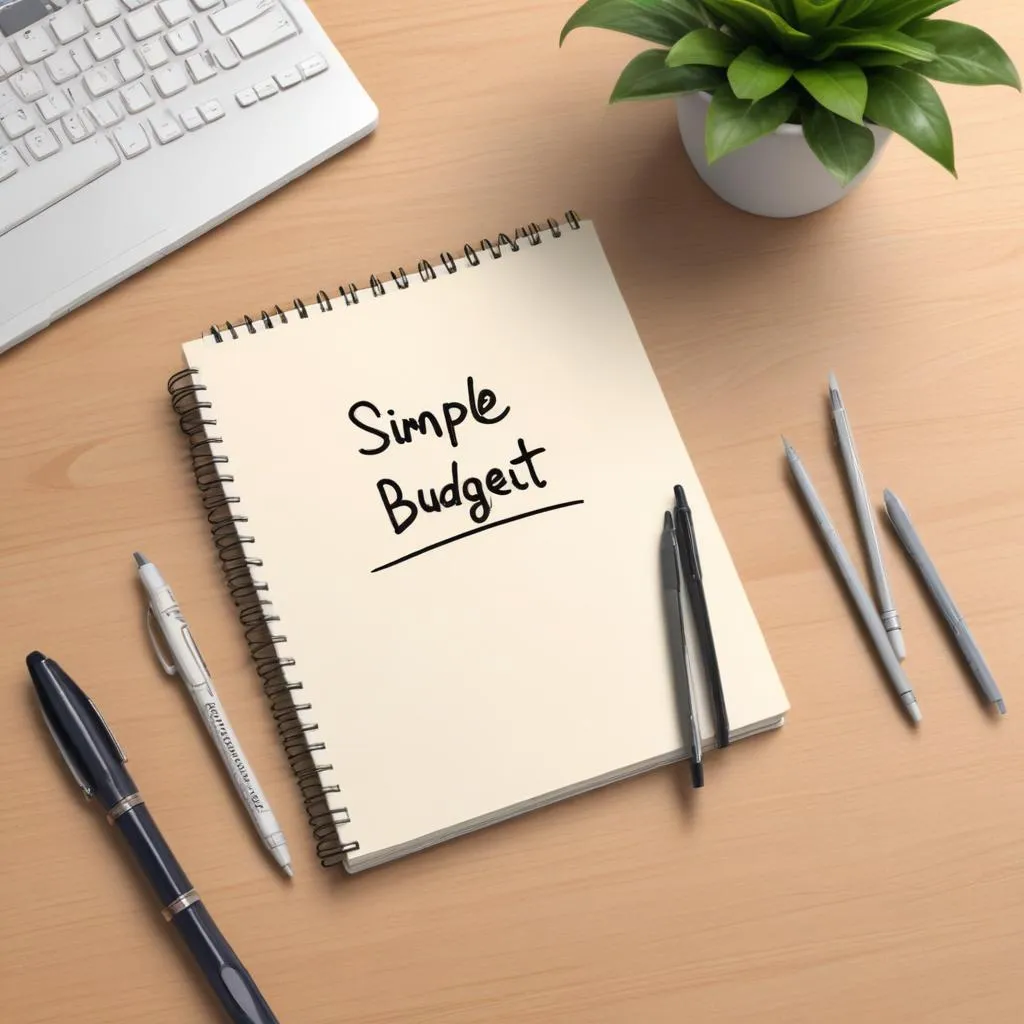
A simple, realistic budget is a map that leads away from anxiety.
Forget restrictive, complicated budgets. Create a system that gives you permission and peace.
The 50/30/20 Framework (Simplified)
- 50% Needs: Housing, utilities, groceries, minimum debt payments, essential transportation.
- 30% Wants: Dining out, entertainment, hobbies, non-essential shopping.
- 20% Future/Security: Savings, extra debt payments, investments.
If your current split is different, don't panic. Use it as a starting point for gradual adjustment. Even moving 5% from "Wants" to "Security" can significantly reduce future stress.
Build a "Buffer" Category
In your budget, create a line item called "Buffer" or "Unexpected." Fund it with even $20-$50 a month. This small pool of money acts as a shock absorber for minor surprises (a parking ticket, a higher utility bill), preventing them from derailing your entire plan and triggering stress.
3. Strategically Reduce Outflows
Cutting expenses often feels more immediately empowering than trying to earn more. Focus on high-impact, low-pain reductions.
Audit Your Subscriptions & Recurring Charges
Review bank and credit card statements from the last three months. Cancel any subscription you haven't used in the past 30 days. For others, ask: "Does this bring me proportional joy or value?" This can free up $50-$200/month with minimal lifestyle impact.
Practice the 48-Hour Rule for Non-Essentials
For any unplanned purchase over a set amount (e.g., $30), institute a mandatory 48-hour waiting period. This short circuit the stress-spend cycle, where anxiety leads to impulsive spending, which creates more anxiety. Often, the urge passes, and you keep the money.
Optimize Fixed Costs
Dedicate one afternoon to calling service providers (internet, cell phone, insurance). Simply ask, "Are there any current promotions or plans that could lower my bill?" Loyalty often costs. This single action can save hundreds per year.
4. Create Safety Nets (No Matter How Small)
A major source of financial stress is the "what if" fear. Building small safety nets provides immense psychological comfort.
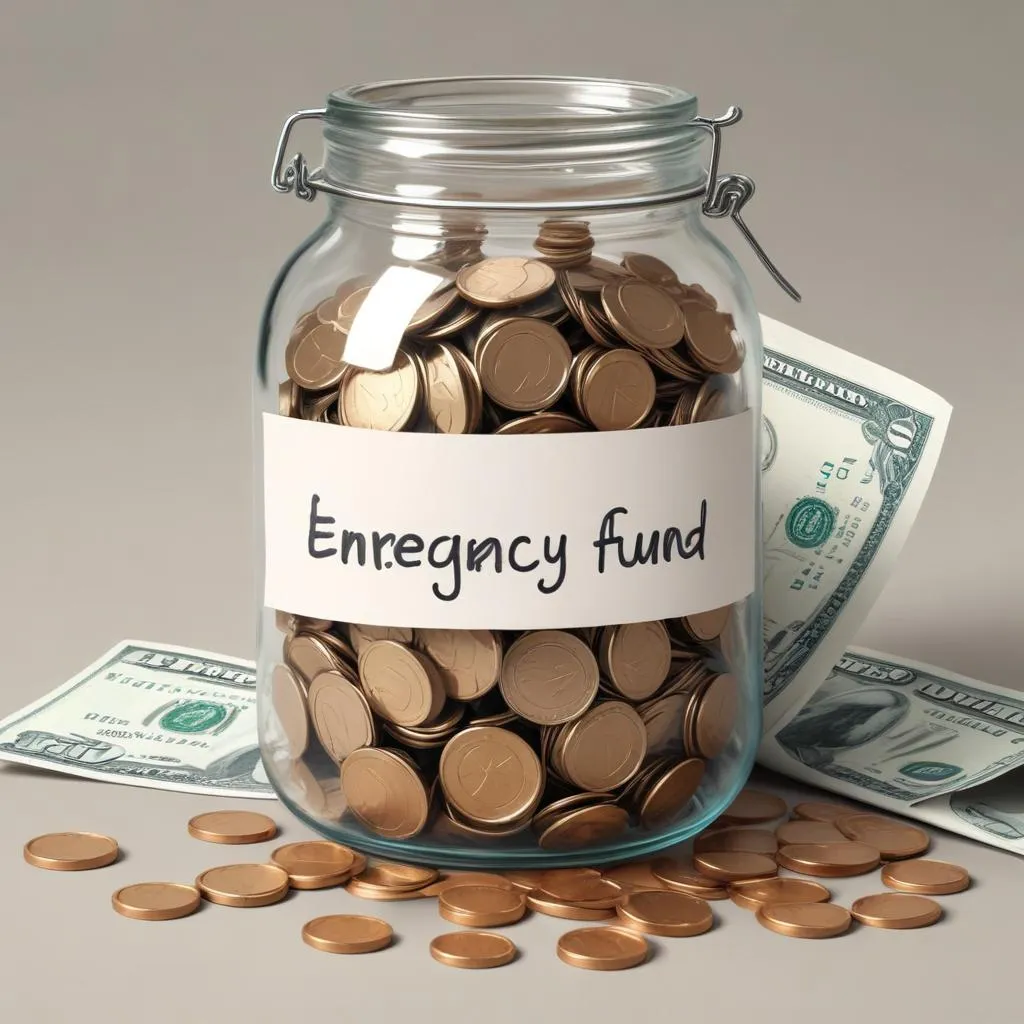
A small emergency fund is a powerful antidote to financial fear.
Start a Micro-Emergency Fund
Forget the daunting "3-6 months of expenses" goal for now. Start with a **$500 Starter Emergency Fund**. This covers most small crises—a car repair, a copay, a broken appliance—and stops you from reaching for a credit card. Automate a weekly transfer of $10-20 to a separate savings account until you hit this first target.
Know Your Options Before You Need Them
Stress is highest when you're in crisis with no plan. Research now: What are the hardship programs for your lenders? What community resources exist (food banks, utility assistance)? Just knowing there's a backup plan can reduce daily anxiety.
5. Develop Calm Money Habits
Incorporate small, consistent rituals that promote a sense of control and progress.
- Weekly Money Date: Spend 20 minutes a week reviewing your accounts, tracking spending, and celebrating progress. Consistency eliminates the dread of "not knowing."
- Debt Progress Tracking: Use a visual tracker (like a coloring sheet or thermometer) for any debt payoff. Visual progress is a powerful motivator and stress-reducer.
- Digital Declutter: Unsubscribe from marketing emails and social media accounts that trigger "fear of missing out" or comparison spending. Curate your financial input.
Conclusion: Peace is a Practice
Reducing financial stress isn't a one-time event tied to a windfall. It's a practice built on clarity, control, and compassionate self-management. By mastering your mindset, creating a realistic budget, strategically reducing outflows, building tiny safety nets, and developing calm habits, you can transform your relationship with money from a source of anxiety to a tool for security and peace.