
Financial planning is the foundation of building effective shock absorbers.
Life is full of unexpected bumps: a sudden job loss, a major car repair, a medical emergency, or a broken appliance. These events can derail your finances if you're not prepared. That's where financial shock absorbers come in—deliberately built layers of protection that absorb impact and keep your financial life stable.
Unlike generic advice to "save more money," building effective shock absorbers is a strategic process. It's about creating systems that work automatically and protect you at different levels of severity. Let's build yours.
What Are Financial Shock Absorbers (And Why Most "Emergency Funds" Fail)
The traditional "3-6 months of expenses" emergency fund is a good start, but it's often too vague and monolithic. A true shock absorber system is multi-layered, accessible, and purpose-specific. It recognizes that not all emergencies are equal. A $500 car repair requires a different response than a 12-month unemployment crisis.
Key Insight: Effective shock absorbers aren't just about the amount of money—they're about the right money in the right place at the right time, with minimal stress and decision-making when crisis hits.
The 3-Layer Shock Absorber System
Think of this as your personal financial defense-in-depth strategy. Each layer serves a distinct purpose and has different liquidity and risk profiles.
Layer 1: The Immediate Impact Buffer ($1,000 - $2,500)
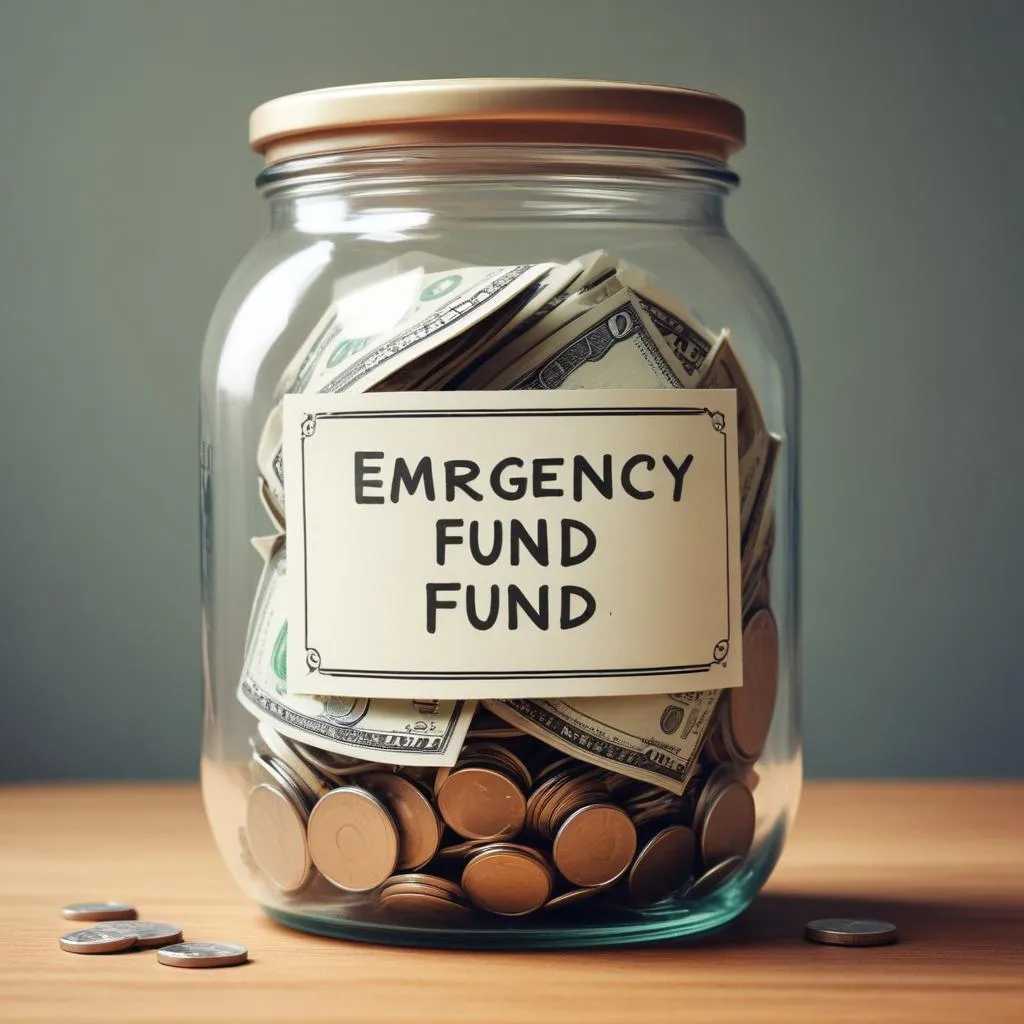
Your first layer should be instantly accessible cash for minor emergencies.
Purpose: To handle small, unexpected expenses without touching investments, going into debt, or disrupting your main savings. This stops the "domino effect" where a small problem becomes a big one.
- Where to keep it: A separate high-yield savings account or a money market account at a different bank than your main checking. This creates a small psychological barrier to spending.
- How to fund it: Start with a goal of $1,000. Automate a weekly transfer of $20-50 until you hit your target.
- Use cases: Minor car repair, vet bill, last-minute travel, deductible on insurance.
Layer 2: The Income Replacement Fund (3-6 Months of Core Expenses)
Purpose: Your primary defense against a major life disruption like job loss, medical leave, or a family crisis. This layer covers your essential living expenses—housing, utilities, food, insurance—not your discretionary spending.
- Where to keep it: A mix of a high-yield savings account (for immediate months 1-2) and short-term Treasury bills or a no-penalty CD (for months 3-6) to earn slightly better interest while remaining accessible.
- How to calculate it: Tally your bare-bones monthly budget. Multiply by 3, 6, or a number that fits your risk (contract worker? aim for 6).
- Pro tip: Build this layer after Layer 1 is complete. Automate contributions as a non-negotiable monthly "expense."
Layer 3: The Deep Resilience Layer (Invested Assets & Insurance)

Long-term investments and proper insurance form your deepest layer of protection.
Purpose: To handle catastrophic events and provide long-term security. This layer isn't cash—it's your future financial health working as a backstop.
- Components:
- Adequate Insurance: Health, disability, term life, renters/homeowners, and auto insurance. This transfers risk you cannot afford to bear.
- Tax-Advantaged Retirement Accounts (IRA, 401k): While not for casual use, these can be a last-resort backstop in true catastrophes (with awareness of penalties).
- Taxable Investment Account: A brokerage account with a diversified portfolio that can be tapped in a multi-year crisis without retirement account penalties.
Actionable Steps to Build Your System Starting Today
Building shock absorbers is a marathon, not a sprint. Follow this sequence:
- Audit Your Current Position: How much cash do you have that's truly designated for emergencies? Where is it?
- Open the Accounts: Set up the separate savings accounts for Layer 1 and Layer 2. Naming them ("Ouch Fund," "Peace of Mind Fund") can reinforce their purpose.
- Automate, Automate, Automate: Set up automatic transfers to fund each layer the day after you get paid. Start small if you must, but start.
- Review and Upgrade Insurance: Schedule time to review your insurance policies. Are deductibles manageable? Are coverage limits adequate?
- Celebrate Milestones: When you hit $1,000 in Layer 1, acknowledge it. When you save one month of expenses in Layer 2, recognize the progress. This builds positive momentum.
Common Pitfalls to Avoid
- Keeping all "emergency" money in checking: It's too easy to spend on non-emergencies.
- Being too conservative: While Layer 1 & 2 should be safe, Layer 3 should be invested for growth to outpace inflation over decades.
- Neglecting to replenish: If you use a shock absorber, your next financial priority is to rebuild it.
- Paralysis by perfection: Don't wait to have the perfect plan. Start with $20 a week. Consistency trumps initial amount.
Remember: The goal of financial shock absorbers isn't to predict every bump in the road. It's to build a vehicle—your financial life—that can handle any road, no matter how rough, without breaking down.
Final Thought: Peace of Mind Is Priceless
Building these layers requires discipline and time, but the payoff is immense: reduced anxiety, increased freedom, and the confidence to handle life's surprises. You stop living in fear of the next unexpected bill or news. You gain the mental space to focus on your goals and enjoy today, knowing you're prepared for tomorrow.
Start building your first layer this week. Your future self will thank you for the cushion you create today.