
The constant exposure to higher prices creates a background hum of financial stress.
Inflation is often discussed in terms of percentages, indexes, and monetary policy. But its most profound impact is psychological. As prices creep upward month after month, consumers aren't just adjusting their budgets—they're undergoing a fundamental shift in their relationship with money, value, and the future. This quiet revolution in consumer psychology has lasting implications for businesses, policymakers, and individual well-being.
The "Shrinkflation" Mindset: Distrust and Scrutiny
One of the most pervasive psychological effects is the erosion of trust. "Shrinkflation"—where companies reduce product sizes while keeping prices the same—has trained consumers to be hyper-vigilant. Shoppers are no longer just comparing prices; they're calculating unit costs, examining package sizes, and questioning the intrinsic value of everything they buy.
- Value Re-calibration: The benchmark for a "good deal" has shifted. What felt expensive two years ago may now be accepted as the new normal, altering long-held price anchors.
- Brand Loyalty Erosion: When every dollar counts, consumers are more willing to switch brands, opt for generic, or abandon non-essential purchases altogether.
- The "Mental Tax": Every purchase now requires more cognitive effort, leading to decision fatigue and a constant, low-grade stress associated with spending.
From Abundance to Scarcity Mentality
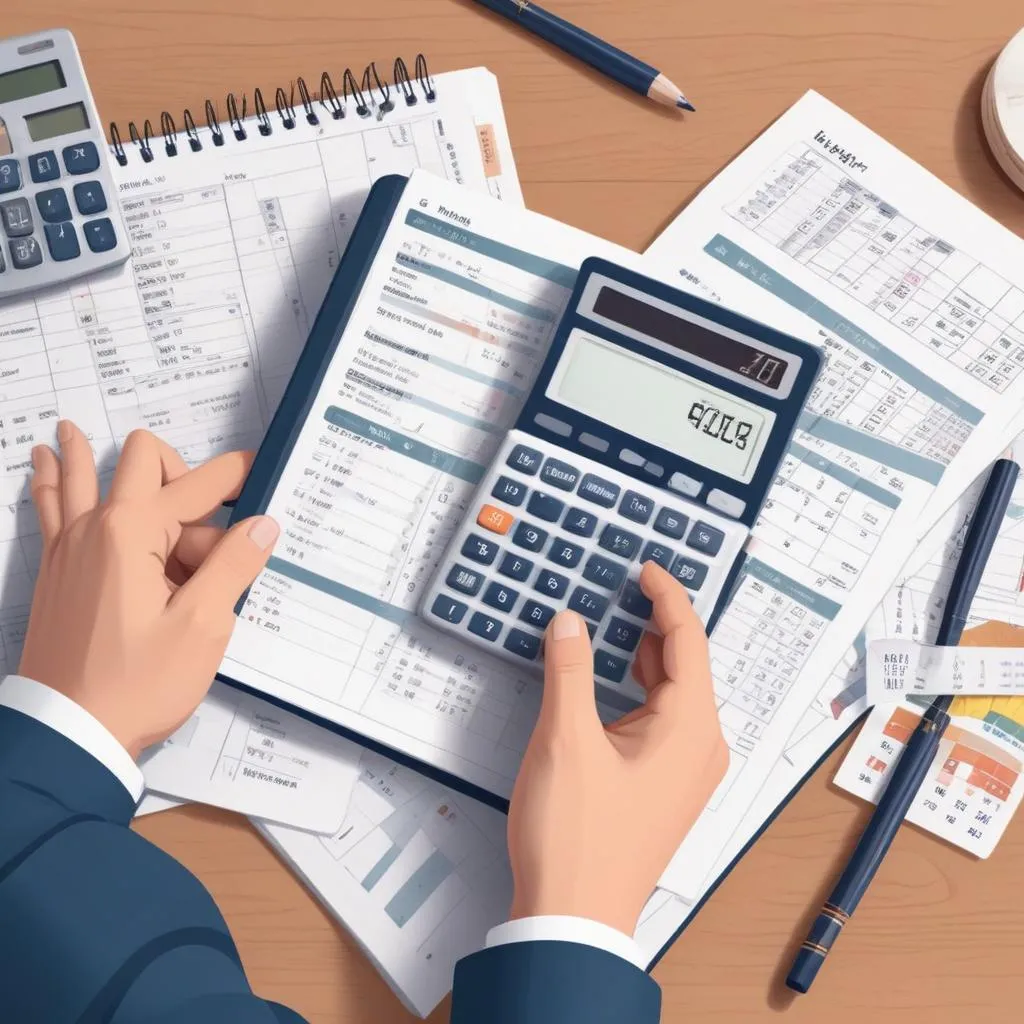
Budgeting and planning become defensive financial strategies in an inflationary environment.
Prolonged inflation triggers a move away from an abundance mindset ("I can afford this treat") to a scarcity mindset ("I must protect what I have"). This shift manifests in several key behaviors:
The Rise of "Defensive Spending"
Consumers are increasingly pre-empting future price hikes. This means bulk buying staples, pre-paying for services, or making durable goods purchases now rather than later. It's spending driven not by desire, but by the fear of higher costs tomorrow.
The Experience Economy Under Pressure
Discretionary spending on travel, dining, and entertainment becomes more scrutinized. Experiences are often the first budget line to be cut or downgraded, as consumers retreat to the safety and predictability of essentials.
Chronic Financial Anxiety and Time Horizons
The uncertainty of inflation shortens psychological time horizons. Long-term planning (saving for a home, investing for retirement) feels more daunting when short-term survival feels precarious. This can lead to contradictory behaviors:
- Paradoxical Splurging: Some consumers, fatigued by constant restraint, engage in occasional "inflation splurges"—small, defiant purchases to reclaim a sense of normalcy or control.
- Retreat to Tangibility: There's a growing preference for tangible assets or experiences with clear, immediate value over abstract or future benefits.
- Erosion of Future Optimism: The belief that "things will get better" or that "hard work guarantees security" is challenged, potentially altering career choices, family planning, and major life decisions.
The New Rules for Businesses and Marketers

Understanding the psychological shift is crucial for connecting with modern consumers.
Companies that recognize this psychological shift can adapt more effectively. The old playbook of gradual price increases may backfire by fueling distrust. Successful strategies now include:
- Radical Transparency: Clearly communicating why prices are changing and what value is being maintained.
- Tiered Offerings: Providing good-better-best options allows consumers to feel in control, choosing the level of trade-off they can accept.
- Emphasizing Durability & Cost-Per-Use: Marketing that highlights long-term value and resilience aligns with the consumer's desire for smart, defensive purchases.
- Acknowledging the Reality: Messaging that demonstrates empathy for the financial pressure consumers face builds more trust than tone-deaf, aspirational advertising.
Navigating the Psychological Landscape
For individuals, the key is awareness. Recognizing that inflation is affecting not just your wallet but your mindset is the first step. Strategies like mindful spending, focusing on needs versus wants, and seeking community support (e.g., sharing cost-saving tips) can mitigate anxiety. For society, the quiet change in consumer psychology suggests a need for greater financial literacy support and mental health resources focused on economic stress.
The true cost of inflation isn't just measured in dollars and cents. It's measured in eroded trust, shortened horizons, and a fundamental re-evaluation of security and value. By understanding these psychological undercurrents, we can make more conscious decisions—both as consumers and as a community—in an increasingly uncertain economic world.